Healthy living UV radiation: why it’s important to protect skin and eyes
There is no such thing as a healthy tan. Exposure to ultraviolet (UV) radiation is the primary risk factor for skin cancer. Children and people who work or spend a lot of time outdoors are most at risk. Effective UV protection is therefore important. Tanning studios should be avoided.
At a glance
- Exposure to high levels of UV light can cause lasting damage to skin and eyes.
- Exposure to ultraviolet (UV) radiation is the primary risk factor for skin cancer. This applies to both natural sunlight and artificial UV rays.
- Taking precautions such as using sunscreen, wearing clothing that covers the skin and wearing sunglasses can help prevent health problems caused by UV radiation.
- UV protection is particularly important for children and for people who work or spend a lot of time outdoors.
- The UV index is a useful guide to the risk of sunburn.
Note: The information in this article cannot and should not replace a medical consultation and must not be used for self-diagnosis or treatment.


What is UV radiation?
Ultraviolet (UV) light is part of natural sunlight and is invisible to the human eye. The body needs UV rays, for example, to make vitamin D. Vitamin D is essential for healthy bones, for example.
But the same UV rays can also cause damage to the skin and eyes. For example, exposure to UV radiation is the primary risk factor for developing skin cancer. People who work or spend a lot of time outdoors are particularly at risk. Children also require special protection because their skin is so sensitive: studies show that many cases of skin cancer in adults were caused by damage from the sun in childhood.
There are a number of preventive measures that help reduce exposure to UV radiation. These include:
- avoiding strong sunlight
- wearing clothing that covers the skin, a head covering and sunglasses
- using sunscreen
The UV index provided by the German Federal Office for Radiation Protection (Bundesamt für Strahlenschutz, BfS) is a useful guide to the level of UV protection: the higher the UV index, the higher the intensity of UV radiation and the more quickly eye damage can occur or unprotected skin can become sunburned. Fair-skinned people in particular should protect themselves against intense sunlight.
Artificial UV radiation in tanning studios also increases the risk of skin cancer. German Cancer Aid (Deutsche Krebshilfe), the World Health Organization (WHO) and the Dermatological Prevention Working Group (Arbeitsgemeinschaft Dermatologische Prävention, ADP) advise against using tanning studios. Children and adolescents under 18 have been prohibited from using tanning studios in Germany since 2009.
What impact does UV radiation have on skin and eyes?
UV radiation can be divided into UVA, UVB and UVC radiation. Each has a different wavelength and affects the body to a greater or lesser extent. Short-wave radiation contains the highest levels of energy and can cause the greatest damage.
Long-wave UVA rays have the lowest levels of energy but penetrate deeper into human tissue than the short-wave, higher-energy UVB rays. The very high-energy UVC radiation in sunlight is normally filtered out in the upper levels of the atmosphere and does not affect the body’s exposure to UV.
Skin and eye cells absorb the UV radiation and are affected by the rays. UVB radiation prompts the epidermal cells to produce the skin pigment melanin. The outcome of this process is visible after a few days as tanning. UVA radiation is responsible for the darkening of pre-existing melanin. Cell division in the skin increases and the horny layer of the skin thickens when the body is exposed to high levels of UV. Although this delays onset of visible sunburn it does not prevent long-term cell damage.
Long-term cell damage includes, in particular, changes to the genetic material in the cells. The body’s natural system for repairing cells can repair damage to the genetic material. However frequent exposure to high levels of UV and recurring bouts of sunburn can lead to a situation where the damage caused cannot be completely reversed. Permanent changes occur to the genetic material that may manifest as a number of conditions, including skin cancer.
Video How does UV radiation affect the body?
This video explains the effects of UV radiation on the body and what people can do to protect themselves.
This and other videos can also be found on YouTube
Watch nowThe privacy policy indicated there applies.
What damage is caused by exposure to high levels of UV?
Ultraviolet radiation from the sun and artificial UV radiation from tanning studios or other sources are carcinogenic. According to the International Agency for Research on Cancer (IARC), these are among the most important risk factors for skin cancer.

UV radiation can cause short-term and long-term damage to the skin and eyes. It can also weaken the immune system.
Short-term damage
Short-term damage occurs immediately or within a few days of exposure to UV radiation.
Short-term damage to the skin appears, for example, as:
- Sunburn
- A sun allergy: the most common form is polymorphous light eruption. Following UV exposure, people may get red patches and small itchy bumps (papules), usually on the neck, arms or thighs.
- A phototoxic reaction: a skin irritation that develops if certain medications or ingredients on the skin react with UV light
Eye damage due to UV radiation also includes:
- Inflammation of the conjunctiva (photoconjunctivitis)
- Inflammation of the cornea (photokeratitis)
Photokeratitis is sometimes also called “snow blindness” because it can be caused by strong reflected UV radiation on snow-covered surfaces. It manifests itself as pain, blurred vision and burning or itching sensations. Artificial UV sources, such as tanning studios, welding equipment and soldering torches can also cause photokeratitis. For this reason, this condition is also known as “welder’s eye”.
Long-term UV damage
Long-term damage can develop over months, years or decades. For example, pigment disorders, increased wrinkling and connective tissue damage may develop. The risk of developing skin cancer is also increased.
The eyes can also suffer long-term damage. Possible long-term effects include cataracts or diseases of the retina, such as macular degeneration.
Risk of skin cancer due to UV radiation
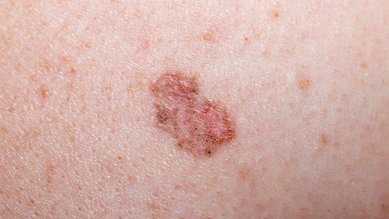
Skin cancer is one of the most serious health effects of exposure to UV radiation. The prevalence of skin cancers has been increasing for decades. Around one in seven men and one in nine women in Germany get skin cancer by the time they reach 75. Just under 4000 people die of complications due to skin cancer in Germany every year. These include the following:
- Basal cell carcinoma (basalioma): a slow-growing form of cancer that occurs mainly on the face, ears and scalp. It is only rarely life-threatening but can reduce quality of life considerably if, for example, it metastasizes into the bones.
- Squamous cell carcinoma (spinalioma): a malignant tumor that can spread and form metastases in other parts of the body, particularly once it reaches a certain size, and that mainly occurs on the face, backs of the hands and forearms.
- Melanoma (malignant melanoma): this is generally a brownish-colored tumor that can occur all over the body, occasionally forms metastases at a very early stage and can be fatal without timely treatment.
Basal cell carcinoma and squamous cell carcinoma are sometimes referred to as “white” skin cancer. These tumors rarely metastasize and normally respond well to treatment. Melanoma is the most dangerous variant of skin cancer. Under certain circumstances its cells can spread rapidly throughout the body via the lymph system and the blood vessels.
Important: Skin cancer screening examinations are available every two years for anyone with statutory health insurance aged 35 or over. These can detect basal cell carcinoma, squamous cell carcinoma and melanoma at an early stage.
When is the risk from UV particularly high?
UV radiation can start to damage the genetic material in the skin and eye cells well before any visible or noticeable effects appear. For this reason, UV intensity is measured regularly and used to calculate the UV index, which is included in many weather reports. The higher the UV index, the higher the intensity of UV radiation and the more quickly the skin or eyes can be damaged.
The damage caused by exposure to UV rays depends on a number of different factors and behaviors:
- Time of day: The higher the sun is in the sky, the more intense the UV radiation is. That’s why there is a higher risk of sunburn around midday. UV radiation is also stronger in summer than in winter.
- Tanning studios: Tanning studios are not a suitable way of increasing the skin’s natural protection through tanning. In fact, exposure to additional UV radiation damages the skin.
- Location: The intensity of UV radiation varies between different locations. For example, UV radiation is more intense the closer you are to the equator and the higher you are above sea level.
- Reflected UV light: Snow and large, bright areas of sand and water reflect and intensify UV rays.
- Skin type: The skin’s sensitivity to UV radiation depends on the individual skin type. People with fairer skin are more likely to get sunburned than people with darker skin.
- Age: Children’s and young people’s skin is particularly sensitive. Severe exposure to UV radiation and sunburn in childhood and adolescence cause lasting damage to the genetic material and increase the risk of developing skin cancer.

- Medication: Some medications can make the skin more sensitive to sunlight. This increases the risk of sunburn and other skin damage. These medications include, for example, some antibiotics and some medications to lower blood pressure, such as diuretics.
- Cosmetic products: Certain ingredients in cosmetics, deodorants and perfumes can cause lasting pigmentation disorders in skin exposed to ultraviolet radiation.
- Working outdoors: People who are frequently exposed to UV radiation in sunlight while working require special preventive measures. The relevant statutory regulations also apply to work with artificial UV sources, such as those used in dental practices or nail salons.
The German Federal Office for Radiation Protection (Bundesamt für Strahlenschutz – BfS) provides information on the various skin types.
How can you protect yourself against UV rays?
The BfS recommends taking preventive measures when the UV index is 3 or more (moderate). A combination of various measures provides effective protection against UV radiation and potential damage to health:
- Avoid strong sunlight, particularly around midday
- Protect exposed parts of the body by wearing suitable clothing and head coverings
- For people who regularly spend many hours in the sun, special UV-protective clothing with a sun protection factor is available
- Apply sufficient amounts of sunscreen with UVA and UVB filters and a high sun protection factor of at least 30
- Use a very high sun protection factor (50+) when spending time at high altitudes, on snow or water and in sunny regions
- Protect your eyes with sunglasses labeled “UV 400” or “100% UV protection” and with adequate side coverage
- Seek shade or stay at home if the UV index is higher than 8
- Avoid tanning studios
- Be aware of the side-effects of medications and cosmetics in connection with UV radiation
Information about the UV index can be found on the website of the German Meteorological Service (DWD).
Special UV protection for children and adolescents
Babies must not be exposed to direct sunlight. Because of their sensitive skin they should stay in the shade and wear clothing that protects them against UV rays. Use of sunscreen is not recommended for babies under 1 year of age. Baby oils can actually increase photosensitivity. Older children also require consistent sun protection to prevent harm to their health. Use of tanning studios is prohibited in Germany for children and adolescents under the age of 18.
What to remember when using sunscreen
Sunscreen products can delay the onset of sunburn and prevent premature skin aging. But they don’t provide complete protection: some UV radiation can still penetrate the skin even if you are using sunscreen. You should therefore still avoid excessive exposure to UV and take additional protective measures, such as wearing clothing that covers the skin and covering your head. As far as possible, use sunscreen with a UVB and UVA filter.
What does sun protection factor mean?
As well as the protection level (low, moderate, high and very high) on the label, the sun protection factor (SPF) is also stated as a number on most sunscreen products. This number refers to the level of protection offered against UVB radiation. It indicates how much longer you can stay in the sun without getting sunburned when you use the product.
For example, someone who could spend ten minutes in the sun without protection before getting sunburned can multiply these ten minutes by the sun protection factor. The result of this calculation is the maximum number of minutes the sunscreen product can provide protection against sunburn. For sunscreen with SPF 20, this would mean that someone could, in theory, spend up to 200 minutes in the sun without getting sunburned.
Good to know: To be effective, the cream or lotion needs to be spread generously all over the body. Two milligrams of sunscreen is needed for every square centimeter of skin. For adults, this is roughly equivalent to four heaped tablespoons for the entire body.
Most sunscreen products need to be applied 20 or 30 minutes before sun exposure for them to take effect. They should then be reapplied every two hours, particularly after swimming. However, reapplying sunscreen does not extend the duration of protection.
Is sunscreen harmful to health?
The ingredients of some sun creams and sun lotions can cause allergic reactions in sensitive people. Otherwise sunscreen products available in the European Union are unlikely to cause health problems. This is confirmed by the German Federal Institute for Risk Assessment (Bundesinstitut für Risikobewertung – BfR).
More information about sun protection products and potential health risks can be found on the BfR website.
Where to go for more information
More helpful information about UV protection and prevention of skin cancer is provided by German Cancer Aid and the Federal Office for Radiation Protection (BfS).
To find out how to protect children from the sun, visit kindergesundheit-info.de, a website operated by the Federal Institute for Public Health (BIÖG).
- Arbeitsgemeinschaft der Wissenschaftlichen Medizinischen Fachgesellschaften (AWMF), Deutsche Krebsgesellschaft (DKG) und Deutsche Krebshilfe. Prävention von Hautkrebs. S3-Leitlinie. AWMF-Registernummer: 032/052OL. 09.2021.
- Baldermann C, Weiskopf D. Verhaltens- und Verhältnisprävention Hautkrebs. Der Hautarzt 2020. 71: 572-579.
- Bundesamt für Strahlenschutz. Tipps zum UV-Schutz. Aufgerufen am 26.11.2025.
- Bundesamt für Strahlenschutz. Warum Schutz vor UV-Strahlung? Aufgerufen am 26.11.2025.
- Bundesamt für Strahlenschutz. Tipps zum UV-Schutz. Aufgerufen am 26.11.2025.
- Deutsches Krebsforschungszentrum in der Helmholtz-Gemeinschaft, Krebsinformationsdienst. Vor UV-Strahlung schützen - Hautkrebs vorbeugen. Aufgerufen am 26.11.2025.
- Deutsche Krebshilfe. Sommer. Sonne. Schattenspiele - Gut behütet vor UV-Strahlung. Stand 02/2024.
- Zentrum für Krebsregisterdaten des Robert Koch-Instituts (RKI). Malignes Melanom der Haut. Aufgerufen am 26.11.2025.
- Zentrum für Krebsregisterdaten des Robert Koch-Instituts (RKI). Sommer, Sonne, Urlaub - mit effektivem Sonnenschutz den Sonnenschein genießen. Aufgerufen am 26.11.2025.
As at: