Conditions Endometriosis
ICD codes: N80 What are ICD codes?
Endometriosis is a common gynecological disease experienced by women. It occurs when tissue resembling the uterine lining (endometrium) grows outside the uterus. This can go unnoticed – or cause severe pain. Read about the typical symptoms as well as how endometriosis progresses and is treated.
At a glance
- Endometriosis occurs when tissue resembling the uterine lining (endometrium) grows into the wall of the uterus, or outside the uterus.
- This can lead to severe abdominal pain, especially during menstruation.
- In some cases, fertility can also be impaired.
- Painkillers, hormones or surgery can help to alleviate the symptoms.
- The symptoms usually go away of their own accord after menopause.
Note: The information in this article cannot and should not replace a medical consultation and must not be used for self-diagnosis or treatment.

What is endometriosis?
Endometriosis is one of the most common gynecological diseases experienced by women. It occurs when tissue resembling the uterine lining (endometrium) grows outside the uterus, or into the wall of the uterus. In medical terms, such islands of tissue are also known as endometrial lesions. They can go unnoticed or sometimes cause severe pain. This chronic disease can also impair fertility.

Endometriosis can often take years to diagnose. Many women simply believe their pain to be normal menstrual cramps and try to cope with it somehow.
At present, there is no complete cure for endometriosis. However, there are various ways to manage the symptoms. What matters is that the treatment should be tailored to the patient’s personal circumstances and the severity of the disease.
What are the symptoms of endometriosis?
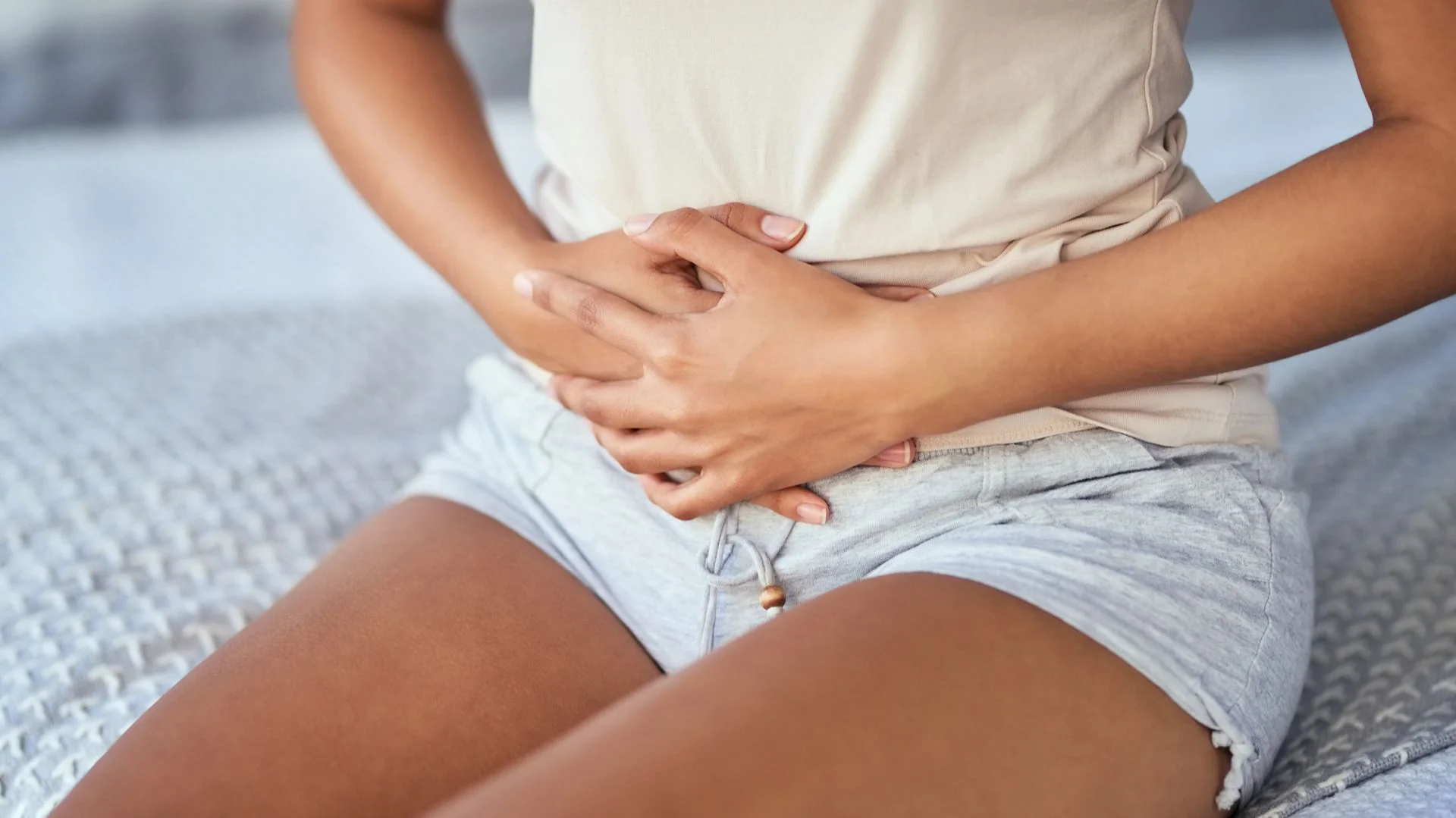
The main symptom of endometriosis is pelvic pain. This often coincides with a woman’s period. However, pain during or after intercourse may also be a sign of endometriosis. The pain can vary greatly in severity and radiate through the lower abdomen, back and legs. It is often experienced as cramping. Nausea, vomiting and diarrhea are also possible.
The precise symptoms can depend on factors such as where exactly the endometriosis lesions are located. Severe endometriosis can greatly impact a woman’s quality of life and physical health.
What causes endometriosis?
In each menstrual cycle, a new mucous membrane grows in the uterus. If fertilization does not occur, the uterine lining is expelled and the woman has her period.
Endometrial lesions also behave in this same way: they grow in the first half of the cycle and are expelled at the end. Unlike with a period, however, the expelled endometrial lesion tissue is unable to escape from the abdomen. In many women, the tissue and blood are imperceptibly broken down by the body without consequence. In other women, these tissue residues cause inflammation, adhesions and cysts. Depending on where these form, they can result in varying levels of discomfort. A cyst is a kind of fluid-filled sac in the tissue.
The precise causes of endometriosis are still unknown. Hormones, the immune system and a congenital (family) disposition are thought to play a part. The body’s natural defenses usually prevent tissue from one organ settling in other parts of the body. With endometriosis, this protective mechanism does not work properly.
Video What causes endometriosis?
Watch this video to find out more about endometriosis and what causes it.
This and other videos can also be found on YouTube
Watch nowThe privacy policy indicated there applies.
How common is endometriosis?

Endometriosis is a common disease although no exact figures are available. Many women experience no or only minor symptoms. The incidence of endometriosis is believed to be up to 50 percent in women with severe dysmenorrhea (painful menstrual cramps).
How does endometriosis progress?
Women are usually only affected by endometriosis in their fertile years, i.e. between their first and last menstruation.
In the case of patients with mild endometriosis and minor symptoms, there is a good chance that the disease will not progress. However, symptoms can also get worse over time and it is not possible to reliably predict how endometriosis will develop. For most women, endometriosis goes away at menopause, when their periods stop.
The endometrial lesion can get bigger as the disease progresses. It is also possible for cysts to form. Endometrial cysts on the ovaries are called endometriomas. If cysts and adhesions form on the ovaries and fallopian tubes, this often also reduces fertility. If a woman is unable to become pregnant, this may therefore be due to severe endometriosis. It is unclear if mild endometriosis can also reduce fertility.
Endometriosis is usually benign. An endometrial lesion can grow and sometimes affect other organs but it is extremely rare for cancer to develop from this.
What are the potential consequences of endometriosis?
In the case of severe symptoms, endometriosis can affect almost all areas of life. In particular, the recurrent abdominal pain can prevent women with endometriosis from performing everyday tasks, doing their work or enjoying leisure activities. Young women sometimes find it difficult to develop a positive relationship with their own body.
Pain during intercourse can make it hard to enjoy a good sex life. Chronic pain can cause tiredness and irritation or lead to depressive moods. Severe endometriosis can prevent women from having children. All of this combined can place great strain on a partnership.
How is endometriosis diagnosed?
Severe pelvic pain can have many different causes. As a result, endometriosis is often only diagnosed when attempts to treat other possible causes are in vain or a woman fails to get pregnant.
When obtaining a diagnosis, there are various examinations that can be used to detect endometrial lesions, scars and adhesions as well as to rule out other things that could be causing symptoms. Following an in-depth consultation about the type of symptoms (anamnesis), the doctor performs both a general physical and a gynecological examination. Depending on the symptoms, further examinations may follow, up to and including a laparoscopy (keyhole surgery of the abdomen), during which endometriosis tissue can also be directly removed.
In women who are asymptomatic, diagnosis is often a matter of chance. Many such women visit a doctor due to failing to get pregnant.
Once endometriosis has been diagnosed, treatment can often successfully relieve or completely stop the pain. This, together with the knowledge that it is a benign disease, is a great relief for most women.
How is endometriosis treated?
Various treatments can help to temporarily or permanently alleviate the symptoms.

This can firstly be done through the use of various drugs, such as painkillers, hormonal contraceptives or stronger hormones. Painkillers only relieve the symptoms. Hormone treatments inhibit the growth of the endometrial lesions. Medications can only be effective for as long as they are taken. If they are stopped, the lesions can grow again and symptoms can recur.
Another option is surgery that aims to eliminate all endometrial lesions where possible. This can be unavoidable if the intestine or bladder is affected, for example. However, new endometrial lesions can form even after surgery.
If removing the endometriosis lesions does not help, there is no desire to have children, and symptoms are very severe, removing the uterus along with the fallopian tubes and ovaries may be considered.
The first point of contact for endometriosis is usually the gynecologist’s office. For their treatment, women can also contact facilities specialized in endometriosis, such as endometriosis centers. Specially trained professionals from various health professions work there together. These certified facilities are tested according to specific criteria. The aim is to offer every woman a treatment package that is tailored to her symptoms and life situation. For chronic pain, multi-modal pain therapy can be advisable.
Further information about endometriosis and the related treatment options can be found at gesundheitsinformation.de.
How does rehabilitation from endometriosis look like?
Following surgery or if the symptoms persist despite extensive treatment, rehabilitation or “follow-up treatment” is possible.
Some clinics offer treatment programs that are specifically designed for endometriosis. There are also special endometriosis centers. These are facilities that have been certified in accordance with certain criteria. They employ specially trained personnel from various health professions and should offer all women a treatment package that is tailored to their symptoms and life situation.
What is life like with endometriosis?
Endometriosis can affect many important areas in life including partnerships and family/life planning but also a person’s self-confidence as a woman. To maintain the best possible quality of life despite symptoms, it is necessary to make several decisions. Good information helps in this regard. This includes the type of treatment and the ways in which patients can organize their lives so that the symptoms have as little impact on their everyday life as possible.
Many find measures such as sport and exercise, relaxation techniques, or psychological support helpful. Some women also try changing their diet, especially if endometriosis causes digestive problems. However, unfortunately, there is currently very little research on this topic.
It is also important for doctors to have extensive experience in the diagnosis and treatment of endometriosis so that they can provide good care and support. Those providing treatment should also be familiar with the physical and mental strains of endometriosis, as well as its social impact.
Good support from close friends and family is also valuable. This requires family members to also be informed about the condition and show understanding for the challenges it brings. For some women, sharing experiences with others affected in a self-help group is also an important source of support. The most important thing is that each woman finds her own way to manage the chronic condition.
Reports from women with endometriosis as well as information for partners can be found at gesundheitsinformation.de.
- Becker CM, Bokor A, Heikinheimo O et al. ESHRE guideline: endometriosis. Hum Reprod Open 2022; 2022(2): hoac009.
- Deutsche Gesellschaft für Gynäkologie und Geburtshilfe (DGGG). Diagnostik und Therapie der Endometriose (S2k-Leitlinie, in Überarbeitung). AWMF-Registernr.: 015-045. 2020.
- Horne AW, Missmer SA. Pathophysiology, diagnosis, and management of endometriosis. BMJ 2022; 379: e070750.