Healthy living Pregnancy: signs and symptoms
A woman’s wellbeing during pregnancy is sometimes impacted by unpleasant pregnancy-related symptoms such as morning sickness. Home remedies and simple changes in behavior can alleviate symptoms associated with pregnancy.
At a glance
- During pregnancy, a woman’s body changes to ensure that the baby has enough space to grow and receives everything it needs.
- The physical changes can cause unpleasant side effects.
- The most common pregnancy symptoms include nausea, breast tenderness, back pain and gum inflammation.
- Pregnancy symptoms are usually harmless and only temporary.
- If you have any doubts or any persistent or unusual pregnancy symptoms, you should seek medical advice or support from your midwife.
Note: The information in this article cannot and should not replace a medical consultation and must not be used for self-diagnosis or treatment.

What causes pregnancy symptoms?
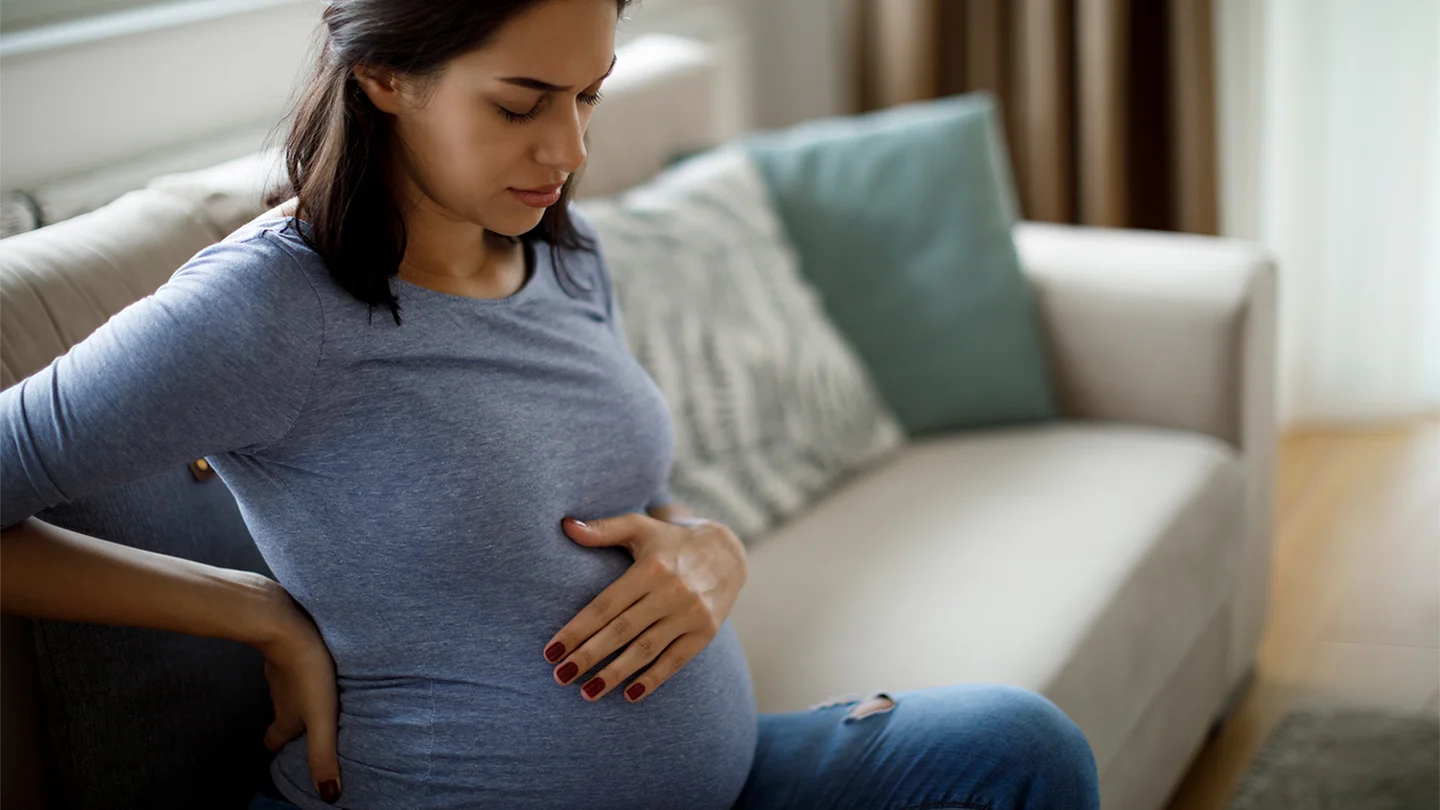
During pregnancy, a woman’s body adjusts to provide for the growing child and to prepare for the birth. Many women enjoy this time, looking forward to the arrival of their baby and feeling better than ever. However, the physical changes often also bring discomfort. These pregnancy-related symptoms are usually harmless and can change as the months pass. For example, some women may suddenly feel extremely tired or hungry. They may be sensitive to certain smells, suffer from nausea or their breasts may become tender and sore.
These typical pregnancy-related symptoms can sometimes be an early indication that a woman is pregnant, even before a pregnancy test confirms it. Taking medicines and herbal remedies without medical advice is not advised during pregnancy. However, using home remedies and making small changes in behavior can alleviate the symptoms of pregnancy.
What are the first signs of pregnancy?
Whether and how quickly a woman notices that she is pregnant can vary considerably. A missed menstrual period is a key sign of pregnancy. However, some women notice possible signs of pregnancy early on. The first signs of pregnancy can include:
- morning sickness
- sensitivity to smells and food
- unusual appetite/cravings
- tenderness in the breasts
- fatigue
- bloating and gas

At-home pregnancy tests provide an initial indication of whether a woman is pregnant. They can be bought over the counter at drugstores or pharmacies or purchased online. After the fertilized egg has implanted in the uterus, the body produces a pregnancy hormone. This can be detected in the urine after about 14 days. However, the test can be negative despite an existing pregnancy if the amount of pregnancy hormone is still low. If the test is positive, it is most likely that the woman is pregnant.
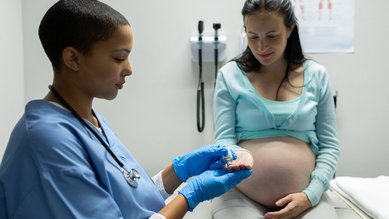
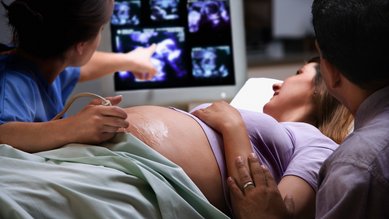
This should then be promptly confirmed by a visit to a gynecologist. A midwife can also determine whether a woman is pregnant. A blood test can be used to confirm with certainty whether a woman is pregnant after just 6 to 9 days. An ultrasound can confirm the pregnancy from the fifth or sixth week onward. A gynecologist or midwife can also calculate an estimated date of delivery.
What are pregnancy symptoms and what can be done to alleviate them?
Pregnancy is not an illness. However, an expectant mother’s body is constantly changing as her baby grows inside her womb. This can result in various side effects and symptoms. Most are harmless and resolve on their own.
Some symptoms can be alleviated by using simple home remedies and making small changes in behavior. If the symptoms are prolonged or very distressing, expectant mothers should see a doctor. Midwives also provide help with pregnancy-related symptoms. Typical pregnancy symptoms are listed below.
Bladder weakness (urinary incontinence)
Many pregnant women need to urinate more often. Some hormones in pregnancy cause certain muscles to relax. The bladder sphincter muscle is one of these muscles. The growing uterus later presses on the bladder. This results in a more frequent urge to urinate.
7 out of 10 pregnant women also report that they sometimes have difficulty holding their urine, especially when they cough, sneeze, laugh or run. This is especially true during the last trimester of pregnancy and in women who have given birth before.

Exercises to strengthen the pelvic floor muscles can help with urinary incontinence during pregnancy. Expectant mothers can begin doing these exercises as soon as symptoms start. These may alleviate the symptoms. They can also serve to prevent urinary incontinence from continuing even after the birth or occurring again at a later stage. A midwife or a doctor will explain exercises to strengthen the pelvic floor. Lots of instructions and videos can also be found online.
Nutrition and digestion
Sensitivity to smells, nausea and vomiting
Many pregnant women suddenly recoil when they open the refrigerator or smell coffee, cigarette smoke or certain foods. Even brushing their teeth can trigger the gag reflex. This sensitivity to smells often occurs during the first trimester of pregnancy and has a good reason: your body is trying to prevent you from eating or drinking things that may not be good for you.
This symptom is caused by the hormonal changes that occur during pregnancy. Trust your body and listen to it. If a pregnant woman experiences nausea triggered by food or smells, it helps to smell a sliced citrus fruit.
Many women also have problems with nausea and vomiting at the beginning of their pregnancy. The symptoms mainly appear in the mornings, but can also persist throughout the day. Certain smells and foods cause many pregnant women to feel nausea.
Morning sickness and episodes of vomiting usually occur in early pregnancy, particularly between weeks 6 and 12. The nausea usually disappears during the fourth month. These symptoms rarely last until the birth.
It is not known exactly what causes nausea and vomiting in pregnancy, although genetic predisposition, changes in hormones and metabolic factors are believed to play a role. New research findings indicate that a rise in the hormone GDF-15 during pregnancy causes some women to experience nausea.
What helps alleviate the nausea varies between individuals. Many tips are based on personal experience. Studies have shown that only a few home remedies, such as certain ginger-based products and vitamin B6 supplements, are effective.
The following can help with nausea in pregnancy:
- Eat a piece of rusk, a dry biscuit or a piece of crispbread immediately after waking up and before you get out of bed.
- Avoid acidic fruit, juices or carbonated drinks.
- Divide your meals into several small portions.
- Avoid foods and smells that cause nausea.
- Smell a sliced lemon or orange.
- Some studies suggest that taking ginger in tea, capsules, syrup or powder alleviates nausea.
- Slowly chew a small handful of hazelnuts.
- Acupressure bands for the wrist claim to alleviate nausea by stimulating certain acupuncture points.
Nausea and vomiting can become a serious problem if a woman feels extremely unwell and can no longer eat adequately. Consult your gynecologist or midwife if you experience severe and persistent vomiting. You can also ask for their advice if you need medication for your nausea.
Cravings or increased appetite
Almost everyone is familiar with the cliché of pregnant women craving pickled gherkins. In fact, expectant mothers often have strong cravings for unusual foods or strange combinations of sweet, sour or salty foods. Don’t worry – as long as it agrees with you it won’t do any harm.
Food cravings develop because of increased insulin production during pregnancy. As soon as blood sugar levels fall, the body responds with sudden, strong feelings of hunger.
The following tips can help with these:
- Always have healthy snacks or some fruit with you.
- Eat smaller meals regularly throughout the day.
Eating for two?
As their metabolism changes in pregnancy, many pregnant women have a very large appetite. Ensure that you have a healthy and varied diet so that your baby gets the nutrients it needs, but you don’t put on too much weight. Over the course of pregnancy, appetite decreases again as the growing uterus pushes the stomach upwards.
Heartburn
Some women suddenly begin to suffer from heartburn during pregnancy. This involves frequent burping or acid reflux and a burning sensation behind the breastbone.
Heartburn is usually due to the growing uterus pressing on the stomach. Pregnancy hormones can also cause a relaxation of the esophageal sphincter muscle that closes off the stomach from the esophagus. This makes stomach acids rise up into the esophagus, leading to heartburn.
This can happen in phases or persist for a longer period of time. Heartburn frequently affects pregnant women in the last trimester.

Tips for heartburn during pregnancy:
- Eat several small meals throughout the day.
- Make sure you eat slowly and chew your food properly.
- Avoid coffee, black tea, sugar, citrus fruit and pulses.
- Avoid eating immediately before lying down.
- Sleep with your upper body slightly elevated if the symptoms occur when lying down.
- Slowly chew almonds, hazelnuts or dry bread.
- Taking a tablespoon of cream or condensed milk helps some women.
- Drinking tea made from ginger, fennel, coriander seeds, caraway seeds, sage or peppermint can alleviate heartburn.
Bloating and constipation
Bloating is common in pregnancy. The body produces hormones that relax the muscles to accommodate the growing abdomen and to prepare for the birth. As part of this process, the abdominal muscles also relax. This slows down digestion and can cause constipation and bloating. Later on in pregnancy, the growing uterus may compress the intestines.
Bloating and constipation are unpleasant, but do not harm the baby. Do not use laxatives. Most are not recommended for pregnant women. Since enemas can trigger contractions, they are also unsuitable.
Tips for bloating and constipation:
- Have several smaller meals during the day.
- Avoid foods that cause flatulence, such as onions, cabbage, broccoli or deep-fried foods.
- Fennel, aniseed and caraway seeds either consumed as tea or used in massage oil for the stomach can alleviate the symptoms.
- Exercise, a hot bath and warmth in general can help with bloating and constipation.
- It is important to drink plenty of fluids.
- Soaked dried fruit, psyllium husks or flax seeds stimulate digestion.
If the symptoms persist, ask your midwife or doctor for advice.
Hemorrhoids (piles)
Everyone has hemorrhoids. These are “cushions” of tissue that contain lots of blood vessels and, together with the sphincter muscle, help keep the anus closed. These can become enlarged during pregnancy.
The unpleasant side effects include:
- itching
- discharge
- pain in the anus
- a feeling of pressure or a sensation of having something in the anus
- small traces of bright red blood when wiping
Many women complain of discomfort caused by enlarged hemorrhoids in the last few months of pregnancy. They are caused by increased blood flow in the pelvic area and by hormonal changes that cause the blood vessels to enlarge. Straining too hard when constipated or when the stool is hard can also cause symptoms due to enlarged hemorrhoids. Hemorrhoids usually reduce in size by themselves after the birth.
Tips to alleviate the symptoms of piles during pregnancy:
- Make your stools soft by drinking plenty of fluids.
- Eat lots of fruit and vegetables and, if possible, high-fiber wholegrain foods.
- Soaked flaxseed or psyllium can ensure a soft stool.
Get advice from your doctor before you use decongestant or numbing ointments or tinctures.
Skin and hair
Hair loss and increased hair growth
Hair growth can go through several changes during pregnancy. In the first few months, some women are shocked by the amount of hair they find in their hairbrush after combing their hair or in the drain stopper after their shower. Nothing can be done about this. When the hormones settle down, the problem resolves and often takes a turn for the better – from the middle of pregnancy onward, many women find that their hair becomes fuller and shinier. In some cases, however, facial hair and body hair may also become thicker.
The next hormonal change occurs after the birth, when hair may fall out again. However, this hair loss is also temporary and does not last longer than 3 to 12 months.
Important for women with colored hair: if possible, avoid coloring or bleaching your hair during pregnancy. As an alternative, you can use herbal hair dyes or gently tint your hair.
Breast tenderness
Tenderness in the breasts is often among the first signs of pregnancy. This symptom is related to hormonal changes. The breasts grow mainly in the first few weeks and months of pregnancy – sometimes by several cup sizes. They become larger and heavier and can feel tender, sore and achy and be sensitive to touch.
The following may help with unpleasant tenderness in the breasts:
- gentle massages with oils suitable for use on the body
- warm, damp compresses with a few drops of lavender oil
- taking warm baths
- a well-fitting, supportive and stretchy bra with wide straps – nursing bras are also suitable
In most cases, breast tenderness stops on its own after the first 3 months of pregnancy.
Stretch marks
As the baby grows in the uterus, your abdominal circumference is likely to increase by 30 to 40 centimeters. Tremendous strain is placed on the skin and connective tissue. The stretching involved can cause fine cracks to develop in the subcutaneous tissue. These appear as bluish or reddish stripes. These stretch marks can appear on the breasts and hips as well as on the belly.
Some women experience itching, a burning sensation or numbness in these areas. After the birth, most stretch marks fade away or shrink in size. Unfortunately, they cannot be prevented or removed. Many pregnant women care for their skin with creams or oils. These can alleviate tightness, but don’t prevent stretch marks from developing.
Mood swings
Hormonal fluctuations during pregnancy can also affect mood. Some women are particularly sensitive and often burst into tears. Feelings such as joy and anger, happiness and sadness can quickly change into their opposites. If possible, try to keep your sense of humor – these mood swings are perfectly normal and cannot be avoided. Hormones usually become more stable in the second trimester, when emotions become more balanced again.
Fatigue
Pregnant women are often tired, especially in the first three months. This may be due to hormonal changes and changes in metabolism. Blood pressure is sometimes also lower than normal at the beginning of pregnancy. Pregnant women need to ensure that they get enough rest and sleep. Find ways to incorporate periods of relaxation into your daily routine.
The following will help you to get going again:
- regular exercise in the fresh air
- moderate exercise appropriate to pregnancy
- alternating hot and cold showers in the morning
- invigorating rosemary baths
Your doctor or midwife can investigate whether there are any physical causes for persistent tiredness.
Sleep disorders and insomnia
Are you tired but unable to sleep or do you keep waking up? Many pregnant women have this problem. The larger your belly becomes, the more difficult it is to find a comfortable sleeping position. A frequent urge to urinate, leg cramps, heartburn and other pregnancy-related symptoms can get in the way of a restful sleep. Sometimes, your baby decides to be active just as you begin to rest.
These tips can help improve your sleep:
- Eat only a light meal in the evening.
- Avoid caffeinated drinks.
- End the day as calmly as possible.
- Only go to bed when you are actually tired.
- Make sure your bedroom is cool and well ventilated.
- Use pillows to support your belly, back and knees.
- Regular, light exercise during the day or an evening walk can make it easier to fall asleep.
- Autogenic training or mindfulness exercises help you to relax.
- Acupuncture, massages or yoga can also help with insomnia.
Consult your doctor before taking sedatives or sleep-inducing medication.
Leg cramps, edema and varicose veins
Leg cramps
Pregnant women can experience painful leg cramps, usually at night. The exact cause is unknown. It is believed that a lack of certain minerals, such as magnesium, calcium and potassium may cause leg cramps. These substances are excreted in larger amounts during pregnancy. Too little vitamin D and E, metabolic changes and too much or too little exercise can also cause these unpleasant muscle cramps.
Tips for leg cramps:
- While lying down, straighten your leg, pull your toes up and push your heel away from you.
- While standing up, press the sole of your foot into the ground and bend your knee, stretching the sore calf.
- Good sources of magnesium and calcium are whole-grain and dairy products, green vegetables grown in the open, blanched almonds, nuts and bananas.
- Stretching exercises, massaging the calf muscles and applying heat can help avoid leg cramps.
You should talk to your doctor before taking mineral and vitamin products.
Fluid retention (edema)
Water retention in the tissues is a common pregnancy-related symptom. This causes painless swelling, known as “edema”. It is usually harmless and often occurs towards the end of pregnancy. This symptom can affect the lower legs, feet, hands, face and genitals.
Water retention occurs when water leaks from the blood vessels or the lymphatic system and collects in the tissues. Increased blood volume during pregnancy can lead to edema. The veins are also enlarged and the blood in the pelvic region can no longer drain as efficiently.
The following tips can help alleviate and prevent water retention:
- Moderate exercise such as swimming or aqua aerobics can prevent edema.
- Elevate the legs regularly during the day.
- Compression stockings can relieve the pressure and the feeling of heaviness experienced with water retention.
- At night, sleep with your feet slightly raised to support the backflow of blood and fluid.
- Reflexology foot massages can help with edema.
- Drink enough fluids to maintain healthy circulation and blood flow.
Diuretic medication and teas are not suitable for expectant mothers. Be sure to ask your doctor or midwife for advice before taking any diuretic medication.
Varicose veins
Varicose veins may develop during pregnancy. They often occur within the first three months. The unsightly blue veins usually reduce in size by themselves after the birth. There are a number of different causes for varicose veins during pregnancy. They can develop due to the greater amount of blood in the veins. The increasing weight of the growing child also puts pressure on the blood vessels in the pelvis and legs.
Tips for varicose veins:
- Elevate your legs several times a day.
- If possible, also position your legs a little higher at night.
- Do foot and leg exercises to keep the blood flowing.
- Give your legs alternating hot and cold showers in the morning.
- Try to walk and move around as much as possible.
- Your doctor can prescribe compression stockings.
Back pain
Many pregnant women experience back pain, especially in the last few months of pregnancy. The lower back is often affected. Sometimes, the pain even radiates down into the legs. The increasing weight puts strain on the muscles and ligaments in the spine area. Because of their growing belly, many women tend to develop hyperlordosis (excessive curvature of the lower spine). Cartilage, tendons and ligaments in the pelvic area also become softer and more stretchable due to certain hormones and can also lead to back pain. The best way to prevent back pain is for you to strengthen your back muscles.
The following measures alleviate back pain:
- Relax your back with a warming bath, a hot water bottle or an infrared heat lamp.
- Massage the areas that are sore or have someone massage them for you.
- Do moderate exercise, such as swimming, aqua aerobics, yoga or walking, on a regular basis.
- Antenatal classes will teach you exercises to strengthen your muscles.
- Wear flat, comfortable shoes.
If you have severe symptoms, your doctor can prescribe a stabilizing pregnancy support belt.
Gingivitis
The gums are more sensitive during pregnancy because there is an increase in blood flow to this part of the body. This means that they can swell up or bleed readily when you brush your teeth.
This is caused by hormonal changes, especially increased estrogen levels. This also changes the acidity of the saliva. This can make tooth decay and inflammation of the gums (periodontal disease) more likely to occur. In the worst-case scenario, teeth can become loose or even fall out.
For these reasons, it’s important to look after your teeth and gums during pregnancy.
- Clean your teeth twice a day.
- If you have sensitive teeth, use soft brushes.
- Avoid too many sweet and sour foods as they increase acidity in the mouth.
- Toothpastes and mouthwashes that contain fluoride strengthen tooth enamel.
- Clean the spaces between your teeth with plant-based mouthwash solutions, dental floss or interdental brushes. Solutions containing chlorhexidine should only be used following consultation with your doctor.
- Chamomile and sage tea have a calming effect and act as disinfectants.
How long do pregnancy symptoms last?
Typical pregnancy-related symptoms usually come and go over the months. They are usually limited to the first trimester of pregnancy. Even if they last longer, they usually disappear by the time of the birth. Common problems of early pregnancy, such as nausea and breast tenderness, normally ease during the fourth month.
Many women experience a pleasant, carefree second trimester of pregnancy, as their bodies have, by then, adapted to the hormonal changes. At this point, changes in abdominal circumference and weight are not yet causing discomfort. Most women feel mentally balanced again and full of energy. The first noticeable movements of the baby also contribute to their feelings of happiness.
In the last trimester of pregnancy, symptoms may increase again. By now, the baby is much bigger and heavier. The birth will happen soon. For some women, the growing abdominal circumference causes back pain, heartburn, water retention, a frequent urge to urinate and sleep problems. The birth of a child can bring mixed feelings – along with excitement and anticipation come feelings of worry and awe about the upcoming event.
When should I see a doctor?
Pregnancy is not an illness, but it is a special situation. Many processes in the body undergo changes, and this may produce various symptoms. These symptoms are often temporary and harmless. However, some symptoms may indicate a health condition that requires medical attention.
Many conventional drugs and even medicinal teas, homeopathic remedies or naturopathic treatments are not appropriate during pregnancy. Before you take any medication or start any treatment to alleviate symptoms, you should definitely clarify this with your doctor.
Also, don’t hesitate to ask your doctor or midwife for advice if symptoms persist or you feel severe physical discomfort. Most pregnancy-related symptoms are harmless, but some can develop into serious illnesses for which home remedies are no longer effective.
Finally, you should also talk to your gynecologist or midwife if anything is troubling or worrying you. In addition to providing medical expertise, they can offer advice and support throughout your pregnancy and the birth.
- Berufsverband der Frauenärzte e.V. Anzeichen einer Schwangerschaft & Schwangerschaftstest. Aufgerufen am 07.08.2025.
- Berufsverband Deutscher Internisten e.V.Ödeme: Ursachen & Risikofaktoren. Aufgerufen am 07.08.2025.
- Bundeszentrale für gesundheitliche Aufklärung (BZgA). Broschüre „Rundum – Schwangerschaft und Geburt“. Stand: September 2022.
- Bundesinstitut für Öffentliche Gesundheit (BIÖG).Schwangerschaftsbeschwerden. Portal „familienplanung.de“. Aufgerufen am 07.08.2025.
- Institut für Qualität und Wirtschaftlichkeit im Gesundheitswesen (IQWiG).Schwangerschaft und Geburt. Portal „gesundheitsinformation.de“. Aufgerufen am 07.08.2025.
- Lasch L. Fillenberg S. Basiswissen Gynäkologie und Geburt. Springer: Berlin 2017.

Reviewed by the German Midwifery Association (Deutscher Hebammenverband e.V.).
As at: