Healthy living Healthy through exercise – every step counts
Exercise plays an important role in a healthy lifestyle. People who are physically active on a regular basis boost their immune system, avoid many illnesses and increase their sense of well-being. Almost any type of movement counts.
At a glance
- People who exercise regularly can prevent a range of illnesses and contribute to the treatment of existing illnesses.
- When we move, our muscles, heart and immune system are stimulated and our sense of well-being and quality of life can also improve.
- Exercise can relieve stress and tension. It has a positive effect on both body and mind.
- Even simple activities like walking up the stairs and taking regular walks contribute to improved health.
- Getting enough exercise is also very important for children, as it promotes physical, social and cognitive development.
Note: The information in this article cannot and should not replace a medical consultation and must not be used for self-diagnosis or treatment.

Why is exercise important for health?
Most adults spend the bulk of their time sitting – whether at a desk, on a sofa or in a car. This is one reason the body doesn’t get enough physical activity and is at risk of health impairments and common health conditions such as type 2 diabetes and obesity.
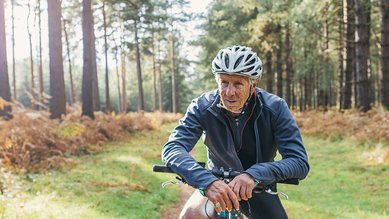
On the other hand, those who are physically active can prevent many diseases, while also increasing their productivity and well-being. Regular exercise can also increase life expectancy. There are countless simple ways to become more active. Simply taking regular walks has a positive impact. Short distances, such as the route to work or to the grocery store, can often be covered by bike or on foot.
What effect does exercise have on the body?
Exercise is beneficial on many levels. It is not only the muscles, joints and entire musculoskeletal system that are strengthened. The immune system and metabolism are also stimulated and the heart and circulatory system are given a workout. Exercise also has a positive effect on mental health, as physical activity and sports lift the mood and can help with relaxation. Getting sufficient physical activity thus reduces the risk of developing depression or an anxiety disorder. Physical activity also prevents back pain.
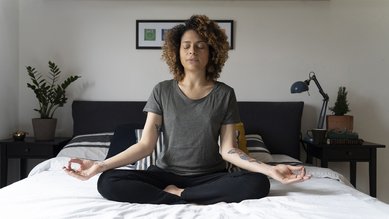
Even in the short-term, exercise has many benefits for both body and mind – it reduces stress, promotes relaxation and improves sleep.
However, physical activity can also have long-term benefits for well-being, productivity and health. For example, exercise reduces the risk of type 2 diabetes, cardiovascular diseases and dementia. Physical training reduces the frequency of falls among older people and decreases their risk of needing care.
Exercise can reduce or even eliminate the need for medication in the case of certain health conditions. However, it is essential to discuss this with a doctor in advance.
How much exercise is beneficial?
Germany’s “National Recommendations for Exercise and Promotion of Physical Activity” provide a good source of guidance for recommended levels of physical activity.
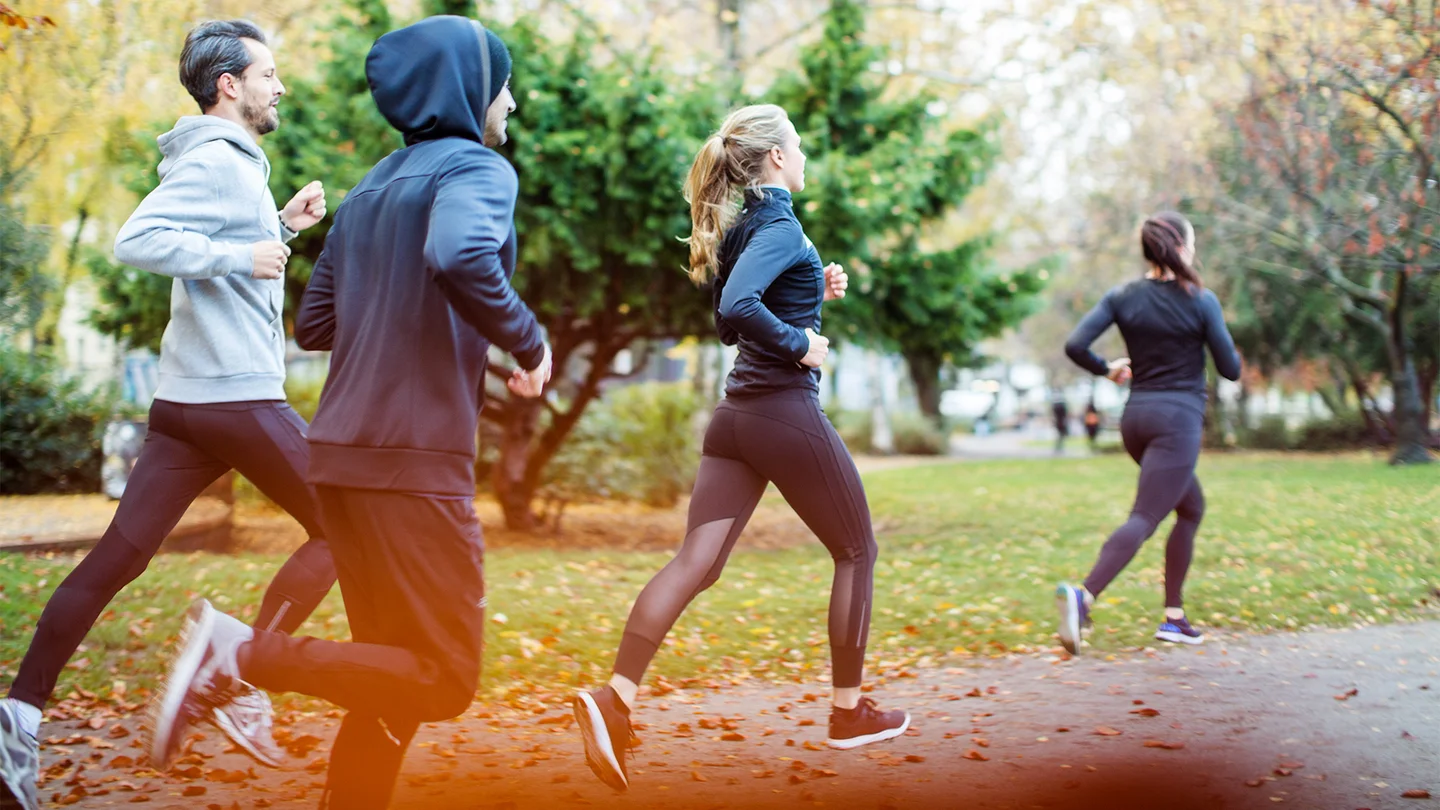
Experts recommend moderately strenuous endurance activities that increase breathing and heart rates. Examples include cycling, jogging, football and swimming.
It’s also important to train the muscles so as to strengthen the musculoskeletal system, joints, bones, tendons and ligaments. Examples of activities that do this include strength training, pilates and yoga.
However, any physical activity or sport is suitable in order to get moving more and to support physical fitness. The most important thing is that it should be enjoyable.
Different types of sport train motor skills – such as endurance, strength, speed, flexibility and coordination – in different ways. For example, jogging promotes endurance, while badminton improves coordination, speed and endurance in equal measure. Pilates mainly improves strength and flexibility, while climbing improves strength and coordination.

There are different guidelines for every age group for both physical activity and screen time:
Babies and toddlers up to 3 years of age
It is important for babies and toddlers aged up to 3 years to be able to follow their natural desire for physical activity. Running around and playing are important for healthy growth and development. It is recommended that small children not be allowed to use media such as TV, computers or smartphones.
Pre-schoolers
Children of pre-school/kindergarten age (aged 4–6 years) should only sit for short periods and should be physically active for at least 180 minutes every day. Parents should limit screen time to 30 minutes per day for this age group.
School-age children and adolescents
Children of primary/elementary school age and adolescents should do at least 90 minutes of moderate to vigorous exercise a day – which can include up to 60 minutes of cycling or walking. In addition, strengthening the muscles several times a week is useful to build strength and endurance. Elementary school children should not sit in front of a screen any longer than 60 minutes per day, while adolescents should not spend more than 120 minutes in front of a screen.
Adults
The recommendation for adults up to age 65 is a weekly total of at least 150 minutes of moderate exercise, preferably with a focus on endurance – or at least 75 minutes of vigorous physical activity. In addition, strengthening exercises such as gymnastics or strength training are recommended on 2 days a week. Older people with reduced mobility should also do balancing exercises to reduce their risk of having falls.
People with a chronic illness
Adults up to the age of 65 with a chronic illness, such as type 2 diabetes, chronic obstructive pulmonary disease (COPD), osteoarthritis or depression, should follow the exercise guidelines for adults without a chronic illness. In phases during which their illness doesn’t allow them to exercise to the extent that is recommended, they should be as active as their situation allows. It is recommended that they discuss physical training programs in advance with the doctor treating them.
The exercise guidelines are essentially the same for people aged 65 and older. More information, including which types of exercise are most suitable, is provided in the article Diet and exercise in later life.
Sitting
For all age groups, sitting for long periods of time should be avoided as much as possible. Prolonged sitting increases the risk of developing chronic health conditions, such as type 2 diabetes, obesity and cardiovascular diseases.
The average life expectancy of people who often sit for prolonged periods is also shorter than for those who spend less time sitting down. Periods of prolonged sitting can be broken up with several short movement breaks – for example, going for a walk, doing short stretching exercises or climbing the stairs.
Video How much exercise is healthy?
Watch this video to find out what type and intensity of physical activity is considered good for your health.
This and other videos can also be found on YouTube
Watch nowThe privacy policy indicated there applies.
How can exercise be incorporated into daily work routines?
In the workplace, health problems are often triggered or exacerbated by stress, time pressure and a lack of physical activity. For example, a hectic pace, too few breaks, and sitting for too long or in an improper position can cause tension and back pain.
Even small changes can have a big impact by helping to prevent stress and health issues and to promote health in the workplace:
- More physical activity in the workplace can be achieved by taking a few simple steps – such as visiting colleagues in person instead of calling them on the phone.
- It is also possible to stretch regularly or move your feet up and down. Deep abdominal breathing also helps.
- Neck and shoulder exercises can easily be done at a desk.
- It’s healthy to eat lunch in peace and quiet, eating slowly and enjoying your food, followed by a short stroll to help with digestion.
- It’s important to sit “correctly” to protect your back – a good, properly adjusted office chair, a standing desk or a balance cushion can be very beneficial. The most important thing, however, is to avoid sitting in the same position for too long.
The German Pension Insurance Organization (“Deutsche Rentenversicherung”) offers a free preventive program for employees who are already experiencing minor aches and pains (in their backs, for example). It promotes exercise and healthy eating and teaches effective ways to handle stress. All the information you need about the RV program is available at rv-fit.de.
Health insurance funds also fund preventive training courses in the areas of exercise, nutrition, relaxation and the use of addictive substances. Ask your health insurance fund for information about which courses are on offer in your region and whether you may be entitled to funding to attend.
How can people get more exercise on a daily basis?
It’s not a good idea to sign up for a marathon with a view to transforming from a couch potato into an elite athlete overnight. It’s better to have realistic goals that are not set too high in order to keep integrating exercise and sport into daily life on a permanent basis.

Walking a few extra steps each day is a good way to discover the joy of exercise slowly without overdoing it. Initially, a lot can be achieved by simply getting off at an earlier stop on the way to work and walking part of the way, taking a bike more often and using the stairs rather than the elevator.
Interesting fact: Many health insurance funds now offer exercise guides and videos on their websites. This makes it very simple and straightforward to exercise at home. For many exercises, no extra equipment is required.
More challenging physical activities should ideally be done with a partner. Long walks and hikes or jogging, swimming and yoga with friends or family are all more fun than going it alone.
It’s also important for every individual to find the type of sport that suits them. Along the way, feel free to try out a few and if necessary, seek advice from a doctor or trainer.
Important: Anyone aiming to live a healthier life overall and avoid illness should also ensure that they eat a balanced diet. The article Healthy eating provides tips for success in this area.
For children, it’s important to support the natural desire for physical activity from the outset – for instance, by encouraging free play at home, in the playground or at the park, by going on outings, hikes and bike rides together or by letting them try out different types of activity in sports clubs. This promotes physical and cognitive development, as well as enjoyment of exercise.
People who are very active as children and adolescents will also find it easier later on to incorporate regular activity into their daily routine. Children also develop perceptual skills when playing sport and running around and learn how to better assess their own abilities and limits. Active children usually also concentrate better, which makes it easier for them to learn.
Where can I find more information?
The National Action Plan’s internet portal IN FORM – German national initiative to promote healthy diets and physical activity offers articles and tips on exercise and healthy eating (in German). The IN FORM National Action Plan aims to bring about lasting improvements in diet and exercise habits in Germany and to prevent inadequate nutrition, inactivity, obesity and associated health conditions.
- Bundesinstitut für Öffentliche Gesundheit (BIÖG). Gesund aktiv. 2023.
- Bundesinstitut für Öffentliche Gesundheit (BIÖG). Menschen in Bewegung bringen. 03.2019.
- IN FORM. Deutschlands Initiative für gesunde Ernährung und mehr Bewegung. Bewegung kann Medikamente ersetzen. Aufgerufen am 21.10.2025.
- Rütten A, Pfeiffer K. Nationale Empfehlungen für Bewegung und Bewegungsförderung. FAU Erlangen-Nürnberg 2016.
- Weltgesundheitsorganisation (WHO). Global action plan on physical activity 2018-2030: more active people for a healthier world. 2018.