Digital health Medical data in everyday life
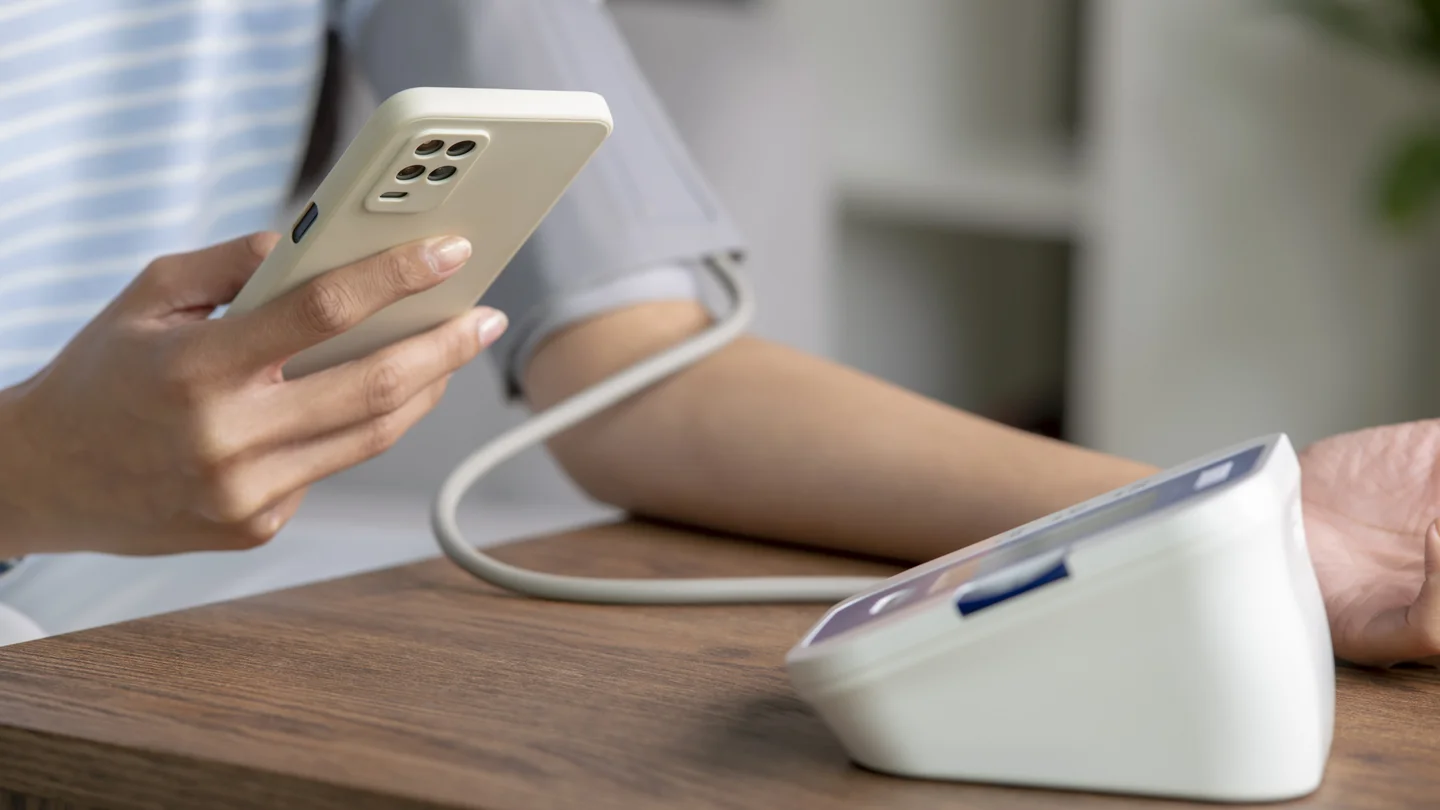
Medical data contains information about the health status of an individual. It includes, for example, diagnoses or tests results, such as blood pressure measurements. Medical data is generated on a daily basis in hospitals and doctors’ practices and by members of the public.
At a glance
- Medical data is data that contains information about a person’s health status or medical history.
- It is generated in hospitals and medical practices but also through the use of mobile apps such as fitness apps.
- Medical data includes, for example, blood pressure or heart rate measurements and the results of medical examinations.
- This data provides important information for the treatment of patients.
- Some medical data consists of sensitive information, such as diagnoses of illnesses. For this reason, it requires a particularly high level of protection.

What is medical data?
Medical data is data that provides information about the health status of an individual. It includes, for example, information about:
- test results
- a person's health conditions or health risks
- medical treatments a person has had
- disabilities
As medical data relates to a person's health, it is considered personal data.
What exactly is data?
To understand how medical data is used, it’s important to understand the difference between data and the information it contains.
Data
Data, on its own, is simply a collection of characters organized according to certain rules. Without further description, no information can be derived from mere strings of characters. An 8-digit sequence, for example, could represent a telephone number or a date.
Information
Information can be derived from data when this data is interpreted. For this purpose, the data requires descriptions in order for it to be understood. For example, a sequence of digits needs a label such as “telephone number” or “date of birth” so that the digits can be interpreted.
Knowledge
Knowledge can be gained when different pieces of information are linked together. This requires comparing new information with existing information. The telephone number in our example must be linked with a name. However, you can only use this information to contact someone if you also know where to find a phone and how to use it.

Where is medical data generated and processed?
Medical data is generated in processed in different spheres, including:
- in hospitals and medical practices
- by fitness trackers and health apps
- by health insurance funds

Hospitals and medical practices
Check-ups are carried out and blood pressure, body temperature, blood sugar and heart rate measurements are taken on a regular basis in medical practices and hospitals. This data is usually very reliable and precise because it is generated using medical devices. Before medical devices can be placed on the market, they must go through an approval process. As part of this process, the manufacturer must, for example, prove that the device takes measurements accurately and reliably.
In medical facilities, illnesses are also diagnosed, medicines are prescribed and other therapies are delivered to patients. To ensure effective treatment, medical data is carefully documented and stored.
Doctors prescribe digital health applications (apps) for the treatment of certain health conditions. Some of these apps also collect medical data.
Fitness trackers and health apps
Members of the public also record medical data themselves. Fitness tracker bands or health apps can be used to record data such as sleep duration, physical exercise or heart rate. Special apps can be used to document menstrual bleeding and cycles.
However, these apps are not subject to the same quality controls as medical devices. For this reason, the medical data recorded by fitness trackers and health apps may be less accurate.
Health insurance funds
Health insurance funds process medical data. As well as general information about their insurance holders such as name and age, they also store billing data. This data includes information about medical treatments and diagnoses.
What happens to medical data?
Medical data is used by various stakeholders in the healthcare system and by members of the public.
Medical practices and hospitals
Medical data is used primarily in medical practices and hospitals during essential medical examinations and treatments. Medical treatments must subsequently be documented digitally in a patient record or in paper form. Patient records must be retained for a period of at least 10 years. This enables transparent tracking of decisions regarding treatment both for patients and for health insurance funds where necessary.
With the consent of patients, information from their records can be shared with other doctors. This allows healthcare professionals who, for example, take over care of the patient following a stay in hospital, to be kept informed about the course of treatment.
Members of the public
Medical data collected in hospitals and medical practices can also be stored in the patient's electronic patient record (ePA). These personal patient records can be viewed at any time by patients and are also managed by patients themselves.
Members of the public can use data collected by health apps, for example, to improve their physical performance and as motivation. However, it is difficult for users of fitness trackers and apps to keep track of what happens to their data. Often, users have to agree to complicated data protection policies in order to be able to use these applications. As a result, users are often unable to decide, on a case-by-case basis, how and for what purpose their sensitive medical data is processed.
Health insurance funds
Medical data can also be stored on the electronic medical data card. In addition to the personal profile data of the insured person, the medical data card can also be used to store emergency data or a medication treatment plan.
Health insurance funds also receive billing data for their members. This data includes, for example, details of treatments provided, prescriptions dispensed and encoded diagnoses. Health insurance funds used this data, for example, to pay hospitals and medical practices for services provided.
For more information about the use of medical data, see the article on Medical data in research.
What are the benefits of using medical data?
Patients primarily benefit from the use of medical data. Medical data provides information about the health status of an individual and helps doctors, for example, in identifying detect illnesses.
In addition to their patients’ descriptions of symptoms, doctors also use objective measurements to assess the patients’ health conditions. For example, body temperature is an important indicator of how an infection is progressing. In chronic illnesses, the comparison of current medical data with results from previous check-ups is particularly useful.
The recording of medical data may also help to adjust therapies and other medical interventions to the individual needs of patients. This is the approach followed in personalized medicine.
Good to know: The electronic patient record (ePA) allows you to store all of your medical data in a single place. In the ePA, you can save information about your own health in a clear and structured manner. The ePA also makes it easier for both patients and doctors to access medical data.
When healthcare professionals can access medical data with ease, unnecessary repeat tests can be avoided and time can be saved. For example, an x-ray taken at one medical practice can be used again later for treatment at another practice rather than having to be repeated.
When data is collected during a medical examination in a hospital or medical practice, it usually only provides a “snapshot” at a specific point in time. Some illnesses are difficult to detect by means of individual measurements. Fitness trackers measure a person's heart rate in everyday situations and during routine activities and can therefore provide additional information.
By analyzing data about your own exercise and health habits, you can also become more health-conscious. In this way, fitness trackers and health apps can contribute to preventive health care.
In addition, medical data can be used in research to discover new findings about illnesses and their treatment.
Why does medical data require special protection?
Medical data may contain particularly sensitive information about the physical and mental condition of an individual. A misuse of medical data may have adverse consequences for the individual affected. For this reason, particularly strict data protection regulations apply to medical data.

How is medical data protected?
In Germany, the handling of medical data is regulated by the General Data Protection Regulation (GDPR) and the Federal Data Protection Act (BDSG). Medical data is considered a special data category. Accordingly, the processing of medical data is generally prohibited.
Medical data can only be processed subject to certain prerequisites. Processing of this data by qualified personnel is permitted for the purpose of providing medical care to patients. Qualified personnel are bound by professional confidentiality, for example, by the duty of medical confidentiality. Medical data must also be protected by additional measures when it is processed, such as encryption and other technical safeguards.
- Bundesdatenschutzgesetz. § 22 Verarbeitung besonderer Kategorien personenbezogener Daten. Aufgerufen am 20.11.2025.
- Bundesverband Gesundheits-IT e. V. und Deutsche Gesellschaft für Medizinische Informatik, Biometrie und Epidemiologie e. V. Beispielhafter Umgang mit der Datenschutz-Folgenabschätzung. 12/2019.
- Bundesverband Medizintechnologie. Der lange Weg eines Medizinprodukts von der Idee bis zur Anwendung am Patienten. 01/2016.
- Data Saves Lives. Navigieren in schwierigen Datengewässern. Aufgerufen am 20.11.2025.
- Datenschutz-Grundverordnung. Artikel 4 Begriffsbestimmungen. Aufgerufen am 20.11.2025.
- Datenschutz-Grundverordnung. Artikel 9 Verarbeitung besonderer Kategorien personenbezogener Daten. Aufgerufen am 20.11.2025.
- Datenschutz-Grundverordnung. Erwägungsgrund 35. Aufgerufen am 20.11.2025.
- Datenschutz-Grundverordnung. Erwägungsgrund 51. Aufgerufen am 20.11.2025.
- Der Bundesbeauftragte für den Datenschutz und die Informationsfreiheit. Datenübermittlung zu Abrechnungszwecken. Aufgerufen am 20.11.2025.
- Fachhochschule Potsdam. Informations- und Datenmanagement – Was ist das eigentlich? Aufgerufen am 20.11.2025.
- NDR. Smartwatches und Fitness-Tracker: Was verraten die Messwerte? Aufgerufen am 20.11.2025.
- Pschyrembel. Vitalzeichen. Aufgerufen am 10.09.2024.
- Verbraucherportal Baden-Württemberg. Wearables und Gesundheits-Apps: Chancen und Risiken. Aufgerufen am 20.11.2025.
- Verbraucherzentrale. Elektronische Patientenakte (ePA): Digitale Gesundheitsakte für alle kommt. Aufgerufen am 20.11.2025.
- Verbraucherzentrale. Wearables, Fitness-Apps und der Datenschutz: Alles unter Kontrolle? Aufgerufen am 20.11.2025.
As at: