Healthy living Underweight – when too little weight is harmful to health
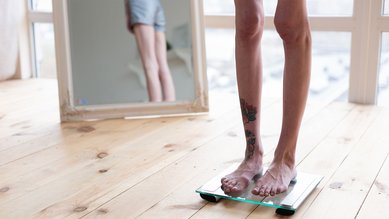
People of any age can become underweight and this is not always a cause for concern. However, if signs of nutritional deficiency occur at the same time, being underweight can cause health problems, especially if the cause is an eating disorder.
At a glance
- Adults with a body mass index (BMI) of less than 18.5 are classed as underweight (normal BMI range is 18.5 to 25).
- People can be genetically predisposed to being underweight or can become underweight as a result of illness or food intolerance.
- Older people are often underweight as a result of illness, dental problems, gastrointestinal problems or a lack of appetite.
- People with an eating disorder such as anorexia nervosa, or anorexia for short, are often underweight. However, being underweight does not automatically indicate an eating disorder.
- Stress or mental illness can also lead to a person becoming underweight.
- A conscious change in diet and changes in behavior can often help an underweight person achieve a healthy weight.
Note: The information in this article cannot and should not replace a medical consultation and must not be used for self-diagnosis or treatment.


What does it mean to be underweight?
A weight that is too low is not always harmful to health. However, if an underweight person becomes malnourished, their immune system and overall health can be weakened. Those affected are then more prone to infections and certain illnesses.
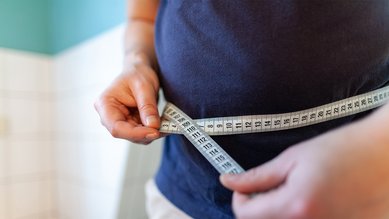
Adults who have a body mass index (BMI) of less than 18.5 are considered underweight. BMI is calculated by dividing a person’s weight in kilograms by the square of their height in meters.
When evaluating the weight of children and adolescents under 18, age and gender are taken into account in addition to height. Growth charts are then used to determine whether an individual’s weight is normal, or whether they are underweight or overweight. Changes in weight and height over time are also considered.
A BMI calculator and more information about body mass index are provided on the “Eating disorders” website of the Federal Institute for Public Health (Bundesinstitut für Öffentliche Gesundheit, BIÖG).
Important: BMI alone provides no information about the causes of a person being underweight or whether they have an eating disorder, for example. It does not take account of different body shapes and provides no information about the percentage of body fat or muscle mass in the body. More information is needed to assess a person’s health.
Is it just good metabolism or a serious problem?
“I just have a good metabolism!” is something that very slim people often say. And there is indeed a genetic predisposition, which often runs in families, whereby some people gain little or no weight. This is usually not a problem as long as the person is simply a “good calorie burner” but gets enough nutrients from a varied diet.
Health problems can arise if the energy intake and the nutrient requirement are no longer adequately covered and the person becomes malnourished.
This can weaken the immune system and increase susceptibility to infection. Other effects of malnutrition include listlessness, tiredness and sleep disorders, difficulty concentrating, as well as some serious illnesses. Wound healing disorders may also occur. Some people who are very underweight develop muscle wasting or osteoporosis. Hormonal balance is affected, which can lead to infertility, for example. Missing periods is a typical sign in girls and women. Severe underweight can also damage the internal organs, such as the liver, kidneys and heart.

Being underweight can affect people of all ages
Eating habits that are harmful to health, especially among young people, often develop from a desire to be slimmer. However, being underweight to the extent of being harmful to health is not limited to young people, and it is not always a result of conscious decisions. Stress, mental problems and pressure to meet too many demands can also cause a person to become underweight at any stage of life.
Eating can become a chore for people in demanding jobs. They may not have the time or mental space to eat consciously or meet their physical needs. Long-term stress, lack of sleep and tension can also impact the body’s ability to process nutrients, leading to a loss of weight.
However, older people in retirement can also be affected. They often lose their pleasure in eating, have less appetite, and cooking for themselves every day can become a burden. Gastrointestinal and dental problems and taking medication can also lead to food intolerances and underweight.
In all these life situations, it is important to ensure that food becomes an enjoyable part of life again. Individual advice from doctors, psychologists and nutritional consultants can be very helpful in this regard. For older people, support in their everyday lives can also be helpful.
Children and adolescents can also become underweight, but this is often temporary due to growth spurts or physical activity, for example. Low weight in children is therefore not always a cause of immediate alarm. But if an underweight child is listless, tired or sickly for a long time, it is important to pay attention and contact a pediatrician. The same applies if a child with normal weight shows these symptoms and is losing weight.
Important: Various chronic illnesses or their treatments may also cause weight loss and result in a person becoming underweight. These include, for example, cancer and chronic inflammatory bowel diseases such as ulcerative colitis and chronic inflammatory bowel diseases, such as ulcerative colitis and Crohn’s disease. Another possible cause of weight loss is an overactive thyroid that goes untreated.
What can be done if someone is underweight?
Gaining weight intentionally can be just as difficult as losing weight. It often helps if the person makes small changes to their usual habits. The following can help a person to gain more weight:
- Eating should be a pleasure, not a chore.
- Eating several small meals throughout the day is often easier than eating a small number of large ones.
- Fruit juices and smoothies, nuts, dairy products and high-fat types of fish (good fats!) contain lots of nutrients and also help with weight gain.
- Favorite foods should have priority (eat what tastes best and is good for you).
- In some cases, a high-calorie food supplement is an option (for example, powders and fortified juices).
Important, especially for children: Usually, very little is achieved if people feel under pressure or forced to do something. It is much better to make eating a pleasant experience, for example, by buying, cooking and eating together in a very calm and fun way, creating a pleasant atmosphere and avoiding distractions (such as TV or smartphones).
The National Action Plan’s web portal IN FORM – German national initiative to promote healthy diets and physical activity offers articles and tips on healthy eating and exercise as well as a wide range of recipes (in German).
Being underweight due to an eating disorder
If someone looks very slim or eats less than others, it doesn’t necessarily mean that they have an eating disorder. However, anorexia in particular often results in people being underweight. Around 14 in every 1,000 women and girls develop anorexia at some point in their lives. The figure for men and boys is around 2 in every 1,000.
For more information about gender differences regarding eating disorders, visit gesundheitsinformationen.de.
People with eating disorders have a disordered relationship with eating and with their feelings about their own bodies. They are excessively preoccupied with the subject of weight and food intake (or food avoidance). This may lead not only to them becoming underweight (or, in some eating disorders, overweight), but also to serious effects on both physical and mental health. For example, people with anorexia and bulimia are at an increased risk of developing osteoporosis, muscle wasting, hormonal problems, and mental illnesses such as anxiety and depression.
People who have an eating disorder need psychological support. If you feel that you yourself or a relative could have an eating disorder, don’t be afraid to seek help from health professionals. Family physicians and specialized advice centers are good sources of support.
An overview and further information can be found on the eating disorders website operated by the Federal Institute for Public Health (Bundesinstitut für Öffentliche Gesundheit, BIÖG).
- Bundesministerium für Gesundheit. Ratgeber zur Prävention und Gesundheitsförderung. 9. aktualisierte Auflage: Januar 2016. Aufgerufen am 22.09.2025.
- Bundesinstitut für Öffentliche Gesundheit. Essstörungen. Aufgerufen am 22.09.2025.
- Bundesinstitut für Öffentliche Gesundheit. Kindergesundheit – Untergewicht bei Kindern. Aufgerufen am 22.09.2025.
- In Form. Deutschlands Initiative für gesunde Ernährung und mehr Bewegung. Wissen: Wie Ernährung Krankheiten beeinflusst. Aufgerufen am 22.09.2025.
As at: