Healthy living Zoonotic diseases: when humans and animals infect each other
Many human infectious diseases have their origin in the animal kingdom and can make both humans and animals sick. Examples are rabies and Lyme disease (borreliosis). In this article, you will learn about other zoonotic diseases, how they can be transmitted and how you can protect yourself.
At a glance
- A large portion of newly emerging infectious diseases in humans are zoonotic diseases.
- Zoonotic diseases can be transmitted from animal to human, human to animal or in both directions.
- Emerging zoonotic diseases can cause epidemics and pandemics. COVID-19 is one example of this.
- Well-known zoonotic pathogens like salmonella are widespread in livestock and pets and can be repeatedly transmitted from these animals to humans.
- Transmission may occur via direct contact with animals, as well as via animal foods of animal origin and vectors such as ticks.
What is a zoonotic disease?
Infectious diseases that occur in humans and animals – vertebrates, to be precise – and can be transmitted between them are called zoonotic diseases. Zoonotic pathogens may be viruses, bacteria, parasites and fungi. In addition, disease-causing proteins – known as prions – can be transmitted between animals and humans and cause diseases. Humans can be infected with zoonotic pathogens through direct or indirect contact with animals, contaminated food or vectors (disease-carrying organisms) such as ticks and mosquitoes.

How common are zoonotic diseases?
More than 200 different zoonotic diseases are currently known. A good two-thirds of emerging infectious diseases have an animal origin. Although epidemics and pandemics have been caused by zoonotic pathogens in the past (for example, the Spanish flu), outbreaks of new zoonotic infectious diseases have increased in recent years. Examples include the lung disease SARS (2002), swine flu H1N1 (2009), the lung disease MERS (2012), Ebola hemorrhagic fever (2014), COVID-19 (2019) and Mpox (2022).
What types of zoonotic pathogens are there?
Zoonotic pathogens can be bacteria, viruses, parasites and, more rarely, also fungi or proteins that are harmful to health – known as prions.
Bacteria
Bacteria are single-cell microorganisms with various forms, sizes and properties. At any time, humans and animals have a multitude of colonies of harmless and even beneficial bacteria. But certain bacteria can also cause illness. Examples of disease-causing bacteria transmitted between animals and humans include:
- Lyme disease (borreliosis)
- Campylobacter (campylobacter infection)
- Salmonella (salmonellosis)
- Staphylococci
Viruses
Viruses are tiny structures without their own metabolism. In order to reproduce, viruses need a host – a living organism. Viruses are therefore not considered to be living things. Some viruses are harmless, while some can cause disease. Examples of zoonotic viruses are:
- TBE virus (tick-borne encephalitis)
- Hantavirus (hantavirus disease)
- Rabies virus (rabies)
- Dengue virus (dengue fever)
- Ebola virus (Ebola hemorrhagic fever)
Parasites
Parasites are single-celled or multicellular organisms such as worms that use a host – an animal, human or even plants – as a source of nutrients. Some parasites can also transmit pathogens. The host organism does not benefit in any way from the relationship. Examples of zoonotic parasites are:
- Toxoplasma (toxoplasmosis)
- Plasmodia (malaria)
- Tapeworms
- Ticks
- Fleas
Fungi
Fungi are multicellular organisms that colonize humans and animals, for example, and can make them sick. An example of a zoonotic fungus is Microsporum canis, which commonly infects dogs, cats, horses and rabbits, and can also trigger a skin disease (dermatophytosis) in humans.
Prions
Prions are misfolded infectious proteins that occur in humans and animals. Prions can be ingested by humans in animal-based foods. If prions get into the brain, they cause degeneration of brain tissue. Through products from cattle that have bovine spongiform encephalopathy (BSE), prions can be transmitted to humans and cause a deadly disease called variant Creutzfeldt-Jakob Disease. This is also a zoonotic disease.
Video What is the microbiome?
Watch this video to find out more about the microbiome and its functions in the human body.
This and other videos can also be found on YouTube
Watch nowThe privacy policy indicated there applies.
How are zoonotic pathogens transmitted?
Some zoonotic diseases are predominantly transmitted from vertebrates to humans (zooanthroponosis), others primarily from humans to vertebrates (anthropozoonosis). For some zoonotic diseases, the transmission is in both directions. Both the animal and the human may become ill and show symptoms in this case. However, their symptoms may differ significantly. It is also possible for only the infected human or only the infected animal to show symptoms and for the other to be entirely symptom-free, but in some cases shed pathogens.
People can be infected with zoonotic diseases in various ways by wild animals, domestic animals and pets:
Direct contact
Pathogens can be transmitted via direct contact between animals and humans. In particular, pathogens can be transmitted by close contact with pets – for instance due to cuddling, licking or scratches. Animals without fur can also transmit pathogens. Amphibians and reptiles can thus infect humans with various types of salmonella – this usually occurs during handling or contact with the animals’ droppings.
However, the risk of humans being infected by pets and becoming seriously ill is relatively low in the case of most pathogens. However, it is sensible to be vigilant about good hygiene when handling the animals – especially for children, pregnant women or people with a weakened immune system. For certain zoonotic pathogens, a preventive vaccination is the only way to ensure effective protection. For example, dogs and cats should always be vaccinated against rabies. Pet owners can prevent infections with certain parasites, such as tapeworms, with regular deworming.

People who have close contact with wild animals – for instance because they hunt them or live in close proximity to them – are at higher risk of infection with potentially dangerous zoonotic pathogens. The reason is that in some wild animal populations, there are many pathogens that are still unknown. Bats and flying foxes in particular are considered significant sources of new zoonotic diseases. For example, Ebola and MERS, and probably also SARS and SARS-CoV-2, originated in these animals.
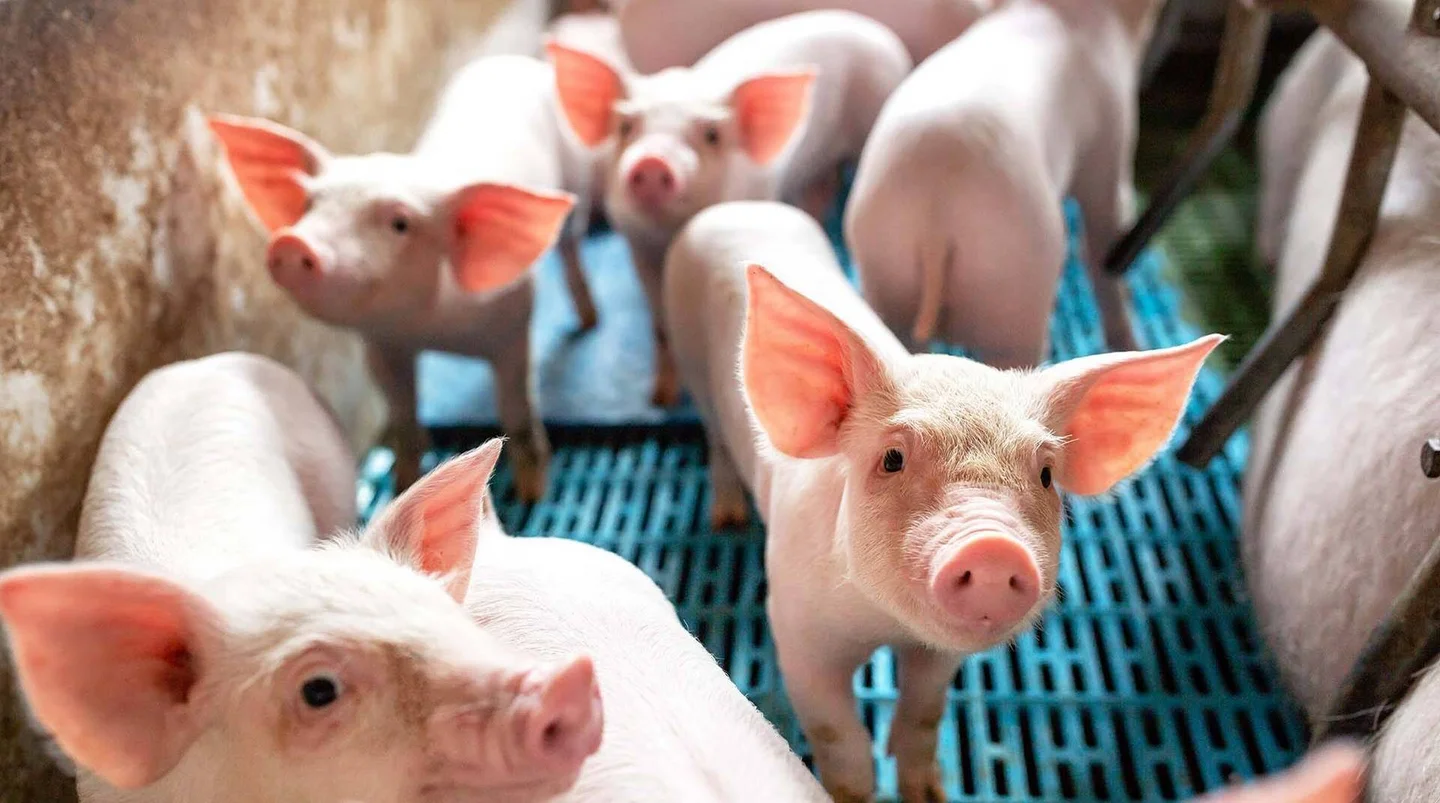
People involved in livestock farming also have an increased risk of infection. An additional risk is that animals from conventional livestock farming often carry multidrug-resistant organisms (MDROs) that can be transmitted to humans. MDROs are bacteria that are insensitive to several antibiotic active ingredients. In particular, they include methicillin-resistant Staphylococcus aureus (MRSA) and extended spectrum beta-lactamase (ESBL)-producing enterobacteria. Among other things, these bacteria may cause wound infections and endocarditis (inflammation of the inner lining of the heart). Infections with multidrug-resistant bacteria are very difficult to treat when established antibiotics do not work.
Indirect contact
Some zoonotic pathogens can also survive in the environment. These pathogens are shed by their host organisms onto the ground or into water, for example. For example, people can become infected with toxoplasmosis through contaminated soil while gardening.
Animal-derived foods
Bacteria from livestock farming can be transmitted to consumers via raw foods of animal origin, such as milk, eggs and meat. Infections with bacteria like salmonella or campylobacter via contaminated food are quite common. The reason for this is often inadequate kitchen hygiene when handling raw animal products. For healthy people, these bacteria are usually harmless. However, for people with a weakened immune system, young children or pregnant women, care should be taken when handling eggs, raw milk and raw fish and meat to ensure adequate hygiene during preparation. Eggs and meat in particular should not be consumed raw.
Video How can foodborne infections be prevented?
The following video explains what can be done to prevent foodborne infections.
This and other videos can also be found on YouTube
Watch nowThe privacy policy indicated there applies.
What is the One Health approach and what does it mean for zoonotic diseases?
Many scientists assume that the risk of pandemics is rising due to increasing zoonotic diseases. Human influences in particular are seen as a cause of additional zoonotic diseases. The natural habitats of wild animals are being destroyed by climate change, the spread of cities and large-scale clearing of forests. Many wild animals are therefore forced to move into areas where humans also live. This can result in increased contact between humans and wild animals.
In addition, climate change may promote the spread of mosquitoes and ticks that transmit pathogens. People are also coming into more frequent contact with certain pathogens by hunting and selling the wild animals infected with them. Finally, intensive livestock farming contributes to pathogens – some of which are multidrug-resistant – being transmitted between animals and humans.
This demonstrates how humans, animals and the environment are interconnected in terms of health. The health of animals and the environment is essential to human health. This concept is termed “One Health”. The One Health approach highlights and acknowledges how important responsible behavior in human and veterinary medicine as well as in environmental science is for the well-being and health of humans, animals and the environment.
What can be done to prevent zoonotic diseases?
To limit the spread of zoonotic diseases and thus the spread of new infectious diseases, comprehensive measures as part of the One Health concept must be implemented by governments and the World Health Organization (WHO). These measures include establishing and expanding early warning systems. Intensive research is also needed to better understand zoonotic diseases and thus successfully prevent or fight them. In Germany, the National Research Platform for Zoonotic Diseases (“Nationale Forschungsplattform für Zoonosen”) is dedicated to this task.
However, everyone can also take some steps to protect themselves from infection with zoonotic pathogens and reduce the spread of zoonotic diseases:
Cooking and eating
- When handling raw animal products, ensure adequate kitchen hygiene.
- Ensure meat is well cooked through.
- Reduce meat consumption.
- Buy local produce where possible.
Handling animals
- Avoid contact with wild animals.
- After contact with animals or animal excrement, wash hands thoroughly, especially before eating.
- Immediately rinse bite or scratch wounds with water.
- Take pets for regular checkups with a vet, including regular vaccinations and deworming.
Preventive health through vaccinations
You can get vaccinated against some zoonotic diseases to reduce your risk of infection or of becoming seriously ill. For example, vaccines against flu viruses and SARS-CoV-2 are available. Some vaccinations are only recommended when there is an increased risk of infection, such as living in or traveling to a high-risk area. Examples include vaccines against tick-borne encephalitis, yellow fever and rabies.
Protection from mosquitoes and ticks
Because mosquitoes and ticks can transmit a wide variety of zoonotic pathogens, it is sensible to protect yourself from mosquito and tick bites. For example, you can use mosquito and tick repellents, such as sprays, and to wear long clothing.
Read more about protecting yourself from mosquitoes and ticks in our article about tropical infectious diseases.
Where to go for more information
The National Research Platform for Zoonoses offers information about zoonotic diseases, profiles of select zoonotic diseases and their key research areas on its website zoonosen.net.
- Deutscher Bundestag, wissenschaftliche Dienste. Zoonosen: Begriffsdefinitionen, historischer Überblick, Pandemiepotenzial. 01.2021.
- Irving, AT, Ahn M, Goh G et al. Lessons from the host defences of bats, a unique viral reservoir. Nature 2021. 589: 363-370. doi: 10.1038/s41586-020-03128-0.
- Köck R, Cuny C. Multiresistente Erreger bei Tier und Mensch. Medizinische Klinik – Intensivmedizin und Notfallmedizin 2020. 115: 189-197. doi: 10.1007/s00063-018-0487-x.
- Niedersächsisches Landesamt für Verbraucherschutz und Lebensmittelsicherheit (Laves). Zoonosen. Aufgerufen am 26.03.2025.
- Nationale Forschungsplattform für Zoonosen (zoonosen.net). Was sind Zoonosen? Aufgerufen am 26.03.2025.
- Nationale Forschungsplattform für Zoonosen (zoonosen.net). Zukunftsthema Global Health: Epidemien erfordern globale Lösungen. 10.2018.
- Robert-Koch-Institut (RKI). Empfehlungen der Ständigen Impfkommission beim Robert Koch-Institut 2025. Epidemiologisches Bulletin. 04/2025.
- Robert-Koch-Institut (RKI).Livestock-assoziierte Methicillin-resistente Staphylococcus aureus (LA-MRSA) als interdisziplinäre Herausforderung. Aufgerufen am 27.03.2025.
- Schuster N.Zoonosen durch Haustiere: Freunde mit Risiken. Pharmazeutische Zeitung. Aufgerufen am 26.03.2025.
- World Health Organization (WHO).Zoonoses. Aufgerufen am 26.03.2025.
As at: