Conditions Underactive thyroid
ICD codes: E03 What are ICD codes?
An underactive thyroid (hypothyroidism) occurs when the thyroid gland does not produce enough hormones. This slows down the metabolism. People affected by this condition often feel lethargic, have a low heart rate and suffer from constipation. A blood test is a reliable way to diagnose hypothyroidism.
At a glance
- An underactive thyroid (hypothyroidism) occurs when the thyroid gland does not produce enough hormones.
- Symptoms include fatigue, skin changes, or a low mood.
- The most common cause is an inflammation of the thyroid gland (Hashimoto’s thyroiditis).
- The disorder usually occurs in adults, more commonly in females than males.
- The symptoms usually subside with hormone tablets.
Note: The information in this article cannot and should not replace a medical consultation and must not be used for self-diagnosis or treatment.
What is an underactive thyroid?
An underactive thyroid (hypothyroidism) occurs when the thyroid gland does not produce enough hormones. The thyroid gland (thyreoidea) is a vital organ. It produces hormones that regulate metabolic processes and keep them in balance. The thyroid hormones control a large number of processes in the human body.

An underactive thyroid slows down the metabolism. As a result, it can cause general symptoms such as fatigue, listlessness, skin changes, or constipation.
Most cases of underactive thyroid are caused by a chronically inflamed thyroid gland. The symptoms usually disappear through the daily intake of tablets containing thyroid hormones.
Video What are the common forms of thyroid disease?
This video explains what the most common forms of hypothyroidism and hyperthyroidism are, what causes them and how they are treated.
This and other videos can also be found on YouTube
Watch nowThe privacy policy indicated there applies.
What symptoms indicate an underactive thyroid?
A lack of thyroid hormones slows down the metabolism. This can affect many parts of the body and cause a wide range of symptoms.
General symptoms include:
- weakness and tiredness
- low heart rate
- shortness of breath
psychological problems may also occur, such as:
- concentration and memory problems
- lethargy
- depression or other mental health issues
Physical changes may also occur, such as:
- dry skin and puffiness, especially on the face
- dry hair, hair loss
- mild to moderate weight gain
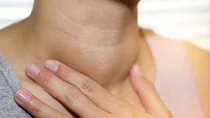
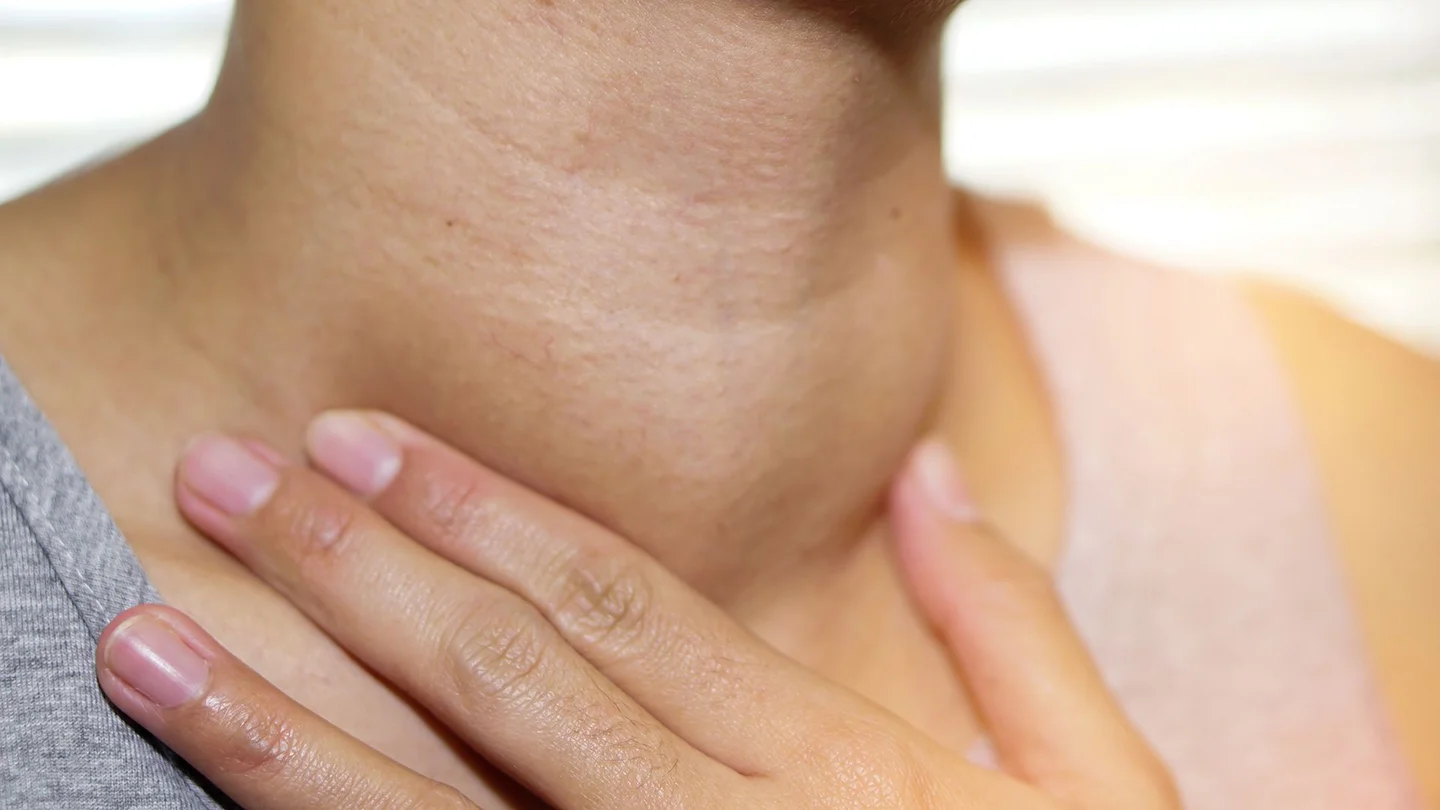
- enlarged thyroid, also referred to as goiter or struma
- a low-pitched, hoarse voice
- an enlarged tongue
- constipation
- severe or irregular menstrual bleeding or menstrual cycle disorders, reduced fertility
- erectile dysfunction
- impaired hearing
There are also symptoms that affect the body as a whole, such as:
- feeling cold and sensitivity to cold
- muscle pain or joint pain
- tingling and numbness
- slower reflexes
Many of these symptoms may have other causes too. In older people in particular, an underactive thyroid may be mistaken for age-related changes. This may happen, for example, with people in the initial stages of dementia.
What causes an underactive thyroid?
An underactive thyroid may have a range of causes. Conditions and factors that can lead to a deficiency in thyroid hormones include:
- inflammation of the thyroid gland
- thyroid gland removal or radiotherapy
- severe iodine deficiency
- medication
- congenital hypothyroidism
Inflammation of the thyroid gland
In people with Hashimoto’s thyroiditis, the thyroid gland is chronically inflamed. This auto-immune disease is the most common cause of an underactive thyroid in this country. An infection can also trigger an inflammation. Sometimes the cause remains unclear.
Video What is autoimmune disease?
The video below provides basic information on the human immune system and typical autoimmune diseases.
This and other videos can also be found on YouTube
Watch nowThe privacy policy indicated there applies.
Thyroid gland removal or radiotherapy
Treatment of some conditions, such as an overactive thyroid or thyroid cancer, involves exposing the thyroid gland to radiation or surgery to remove it entirely or in part. This means that not enough thyroid hormones are produced, or sometimes none at all.
Severe iodine deficiency
Iodine is an important trace element. The body needs it to produce the thyroid hormones. As the body cannot produce iodine itself, it must absorb it from food, e.g via saltwater fish, milk, dairy products and eggs as well as through the use of iodized table salt. An underactive thyroid may develop if the body consistently fails to get enough iodine. However, this is very rarely the case in industrialized countries today.
Medication
Certain medications, such as antidepressants containing the active substance lithium, can inhibit the production of thyroid hormones. Some drugs used to treat an overactive thyroid can also inhibit the production of thyroid hormones. If the dosage is too high, this can cause an underactive thyroid.
Congenital hypothyroidism
In rare cases, an underactive thyroid is genetically determined, i.e. present at birth. However, it can also be triggered if a pregnant woman does not consume very much iodine or her immune system forms antibodies against thyroid tissue.
In each of the cases described above, the thyroid gland itself is affected. This is known as primary hypothyroidism. However, in rare cases, an underactive thyroid can also be caused by abnormal function of the pituitary gland or the hypothalamus. The pituitary gland and hypothalamus produce hormones that control hormone production in the thyroid gland. This means that a thyroid gland may itself be healthy but may no longer be controlled correctly so that it fails to produce enough hormones. Doctors refer to this as central hypothyroidism.
How common is an underactive thyroid?
In countries like Germany, around 5 percent of people have an underactive thyroid. It more commonly affects women and older people. An underactive thyroid is congenital in approximately 1 out of 3,400 newborns.
How does an underactive thyroid progress?
How an underactive thyroid progresses varies depending on what causes it. Most adults affected have an inflamed thyroid gland. This normally causes a gradual decomposition of the thyroid tissue. An underactive thyroid often develops insidiously and can remain undetected for a long time. This is because for a certain period of time, the remaining thyroid tissue can compensate for the tissue that is lost by increasing its production of hormones so that the body still has an adequate supply.
However, as the condition progresses, more and more tissue is lost, until the gland can no longer produce enough hormones. Symptoms then appear. If the underactive thyroid is left untreated, this may cause circulatory problems, for instance.

The missing thyroid hormones can easily be replaced by taking tablets. This restores normal metabolism and the symptoms disappear. Sometimes, the thyroid heals by itself – for example, when the inflammation clears up.
What can be done to prevent an underactive thyroid?
You cannot prevent an underactive thyroid, with one exception: adequate iodine intake prevents an underactive thyroid caused by iodine deficiency. This can be done by consuming milk or dairy products daily and by regularly eating salt-water fish and using iodized salt. There are also certain food supplements that contain iodine.

Important: Excessive iodine levels are also a problem in the long term. They increase the risk of an overactive thyroid. However it is virtually impossible to overdose from food. The exception to this is dried algae, especially seaweed. It contains so much iodine that people could exceed the maximum daily recommended dose of 500 micrograms. Food supplements can also be problematic if the daily dose contains more than 100 micrograms of iodine.
Is early detection of an underactive thyroid possible?
A normally functioning thyroid gland is particularly important for babies and children. An underactive thyroid can have very adverse effects on physical and mental development.
This is why the TSH level of newborns is routinely determined as part of screening tests. TSH stands for thyroid-stimulating hormone. This hormone is produced in the pituitary gland and stimulates the thyroid gland to produce hormones. An elevated TSH reading is an indicator of an underactive thyroid gland. If there is an abnormal result, the thyroid hormone levels are also measured.

Important: TSH levels are not conclusive on their own. A relatively large number of people have slightly elevated TSH levels. However, this doesn’t automatically mean that their thyroid isn’t producing enough hormones. In any case, these levels often normalize by themselves. Which means that a routine test could lead to unnecessary treatment and worry. Screening is therefore not recommended to adults.
How is an underactive thyroid treated?
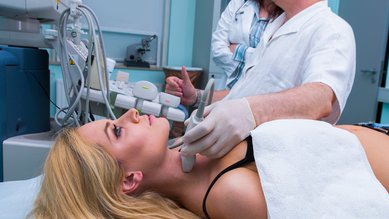
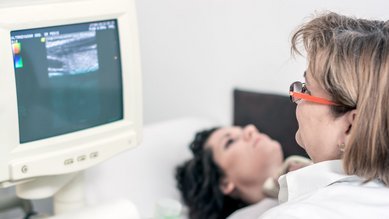
To diagnose underactive thyroid, the doctor begins by asking about the symptoms. This is followed by a physical exam (palpation) of the thyroid gland. If there are any indications of underactive thyroid, a blood test is required because many of the symptoms can also have alternative causes. The blood test measures thyroid hormone and TSH levels.
TSH is a hormone produced in the pituitary gland to stimulate the production of thyroid hormones. Slightly elevated TSH levels may be the first sign of an incipient underactive thyroid. If the thyroid gland becomes weaker, the body produces more TSH to boost its activity. At a certain point, however, this is no longer sufficient and the thyroid gland no longer releases enough hormones into the bloodstream. This can also be detected in a blood test.
How is underactive thyroid treated?
The treatment of underactive thyroid seeks to compensate for the hormone deficit. To this end, the missing thyroid hormone thyroxine is replaced by a medication that is converted into the hormone within the body. The active ingredient is also referred to as levothyroxine or L-thyroxine. The drug restores hormone levels to normal so that symptoms usually clear up entirely. Depending on the cause, treatment of an underactive thyroid is either temporary or lifelong.
There are virtually no side effects provided the right dose is given. The dosage is based on body weight. A dose that is too high can lead to heart problems. The dose is therefore regularly reviewed in the first few weeks and adjusted if necessary. Later, it is usually sufficient to check the levels once a year.
L-thyroxine is taken once a day. It is often recommended to take the tablet with a glass of water in the morning, half an hour before breakfast.
Experts disagree on whether or not a subclinical underactive thyroid should be treated.
For more detailed information about whether and when a subclinical underactive thyroid should be treated, visit gesundheitsinformation.de.
- Bekkering GE, Agoritsas T, Lytvyn L et al. Thyroid hormones treatment for subclinical hypothyroidism: a clinical practice guideline. BMJ 2019; 365: l2006.
- Bundesinstitut für Risikobewertung (BfR). Jodversorgung in Deutschland wieder rückläufig - Tipps für eine gute Jodversorgung. 2021.
- Bundesinstitut für Risikobewertung (BfR). Verwendung von Mineralstoffen in Lebensmitteln. Toxikologische und ernährungsphysiologische Aspekte. Teil II. Berlin: BfR Wissenschaft; 2004.
- Chaker L, Bianco AC, Jonklaas J, Peeters RP. Hypothyroidism. Lancet 2017; 390(10101): 1550-1562.
- Deutsche Gesellschaft für Allgemeinmedizin und Familienmedizin (DEGAM). Erhöhter TSH-Wert in der Hausarztpraxis (S2k-Leitlinie). AWMF-Registernr.: 053-046. 2023.
- Gesellschaft für Neonatologie und pädiatrische Intensivmedizin (GNPI). Neugeborenen-Screening auf angeborene Stoffwechselstörungen, Endokrinopathien, schwere kombinierte Immundefekte (SCID), Sichelzellkrankheit, 5q-assoziierte spinale Muskelatrophie (SMA) und Mukoviszidose (S2k-Leitlinie). AWMF-Registernr.: 024-012. 2025.
- Jameson JL, Mandel SJ, Weetman AP. Disorders of the Thyreoid Gland. In: D. L. Kaspers, S. L. Hauser, J. L. Jameson et al (Ed). Harrison's Principles of Internal Medicine. McGraw-Hill Education; 2015.
- National Institute for Health and Care Excellence (NICE). Thyroid disease: assessment and management. 2019.
- Pearce SH, Brabant G, Duntas LH et al. ETA Guideline: Management of Subclinical Hypothyroidism. Eur Thyroid J 2013; 2(4): 215-228.
- Persani L, Brabant G, Dattani M et al. 2018 European Thyroid Association (ETA) Guidelines on the Diagnosis and Management of Central Hypothyroidism. Eur Thyroid J 2018; 7(5): 225-237.
- Reyes Domingo F, Avey MT, Doull M. Screening for thyroid dysfunction and treatment of screen-detected thyroid dysfunction in asymptomatic, community-dwelling adults: a systematic review. Systematic Reviews 2019; 8(1): 260.
- Schübel J, Feldkamp J, Bergmann A et al. Latente Hypothyreose des Erwachsenen. Dtsch Arztebl Int 2017; 114(25): 430-438.
- UK National Screening Committee (UK NSC). Screening for thyroid dysfunction in adults. External review against programme appraisal criteria for the UK National Screening Committee (UK NSC). 2018.