Healthcare Self-help for health
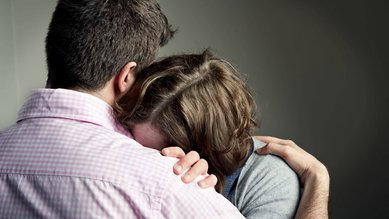
Health-related self-help groups enable people with similar disabilities, chronic conditions or addictions to come together. The support, the exchange of experiences and the mutual understanding help many people to cope better with their own health and life situation.
At a glance
- Self-help can make it easier for people to learn to self-sufficiently deal with disabilities, chronic conditions and mental crises as well as to improve their quality of life.
- Self-help groups provide emotional support and better access to reliable information.
- Relatives and friends can also organize themselves into self-help groups.
- Self-help contact points inform interested parties about existing local groups and help them establish new groups.
- Self-help organizations represent the interests of people with disabilities and chronic conditions as well as their relatives within politics and society.
What is health-related self-help?
Self-help exists in many areas of life. In the field of health, self-help can make it easier for people to deal with disabilities, chronic conditions and addictions as well as to improve their quality of life.
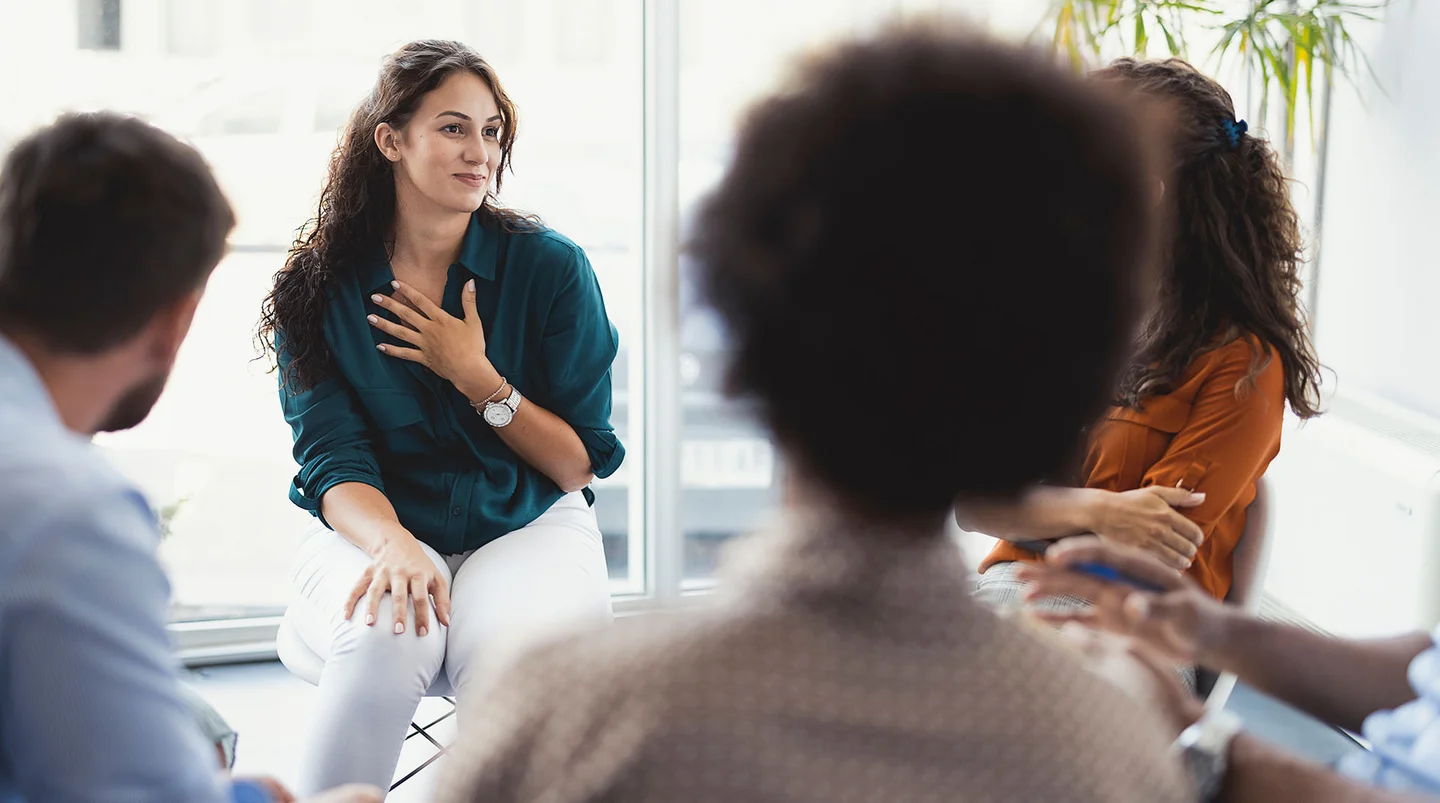
People with similar health and mental problems come together in self-help groups to jointly address them and mutually support and motivate each other.

The range of self-help groups is huge. Interested parties can find a self-help group for almost every kind of physical and mental illness, disability or mental conflict situation. There are currently around 100,000 groups in Germany, including many for rare conditions and for relatives.
Many of these groups have joined together to form larger self-help organizations. These also offer a wide range of support and advice services – including for those seeking advice outside the field of self-help. They also get involved on a political level.
Self-help cannot replace medical or therapeutic treatment, but it can effectively complement it. As a result, self-help is recognized as an important part of the German healthcare system The work is funded by statutory health insurance funds as well as the central government, the federal states and the municipalities, among other sources.
Video How does self-help provide support?
Watch this video to find out what self-help is and what support it can provide.
This and other videos can also be found on YouTube
Watch nowThe privacy policy indicated there applies.
How does self-help provide support?
Many people find that the emotional support, the sharing of experiences and the mutual understanding between the members of a self-help group helps them to self-sufficiently deal with their condition, disability or mental illness.
Self-help can make it easier for people to develop strategies for managing their conditions, to tailor their everyday life and social needs to their own wishes and to cope with emotional strain. People with addictions find that the sense of community and chance to talk about the addiction and how to manage it can play a major part in them leading an abstinent life.
The members themselves determine how a self-help group’s meetings are organized and what services it offers – in line with their needs. As a result, the meetings and services can vary greatly from group to group.
For example, the following are all possible:
- meetings, club meetings or round tables
- group excursions and trips
- sports programs, physical exercises and mindfulness training
- info events on the condition
- counseling sessions and consulting services
Other forms of interaction and advice are also possible. For example, many self-help organizations offer telephone or online consultations and are actively represented on internet forums, in newsletters, brochures or magazines, on websites and on social media.
The following apply:
- The members themselves freely determine the group’s goals, how they want to achieve these and how often the members meet. There is no guidance from specialists, e.g. doctors. However, most self-help groups are run by people with experience in conducting discussions or conflict management.
- Many self-help groups also welcome people who attend spontaneously, without them having to directly join as members.
- Self-help groups offer a protected space in which personal information is treated with complete confidentiality. People can talk freely about themselves and their problems while also finding out how others deal with similar challenges.
- The focus does not necessarily have to be on the medical aspects of a condition. Discussions can also cover its mental and social impact, for example the way in which siblings grow up together, the forms that school life, training, higher education and professional life can take or even how people can deal with family planning or living alone.
Further information on the activities and organization of self-help groups can be found on the NAKOS and BAG SELBSTHILFE websites, among other places.
Health literacy
A broad knowledge of the health condition, treatment options, patient rights and possible health and long-care insurance benefits is an important prerequisite for self-sufficiently and successfully dealing with an illness or disability.
Doctors are the first point of call for medical questions. However, other questions in relation to the condition or disability often arise after the doctor’s appointment. Self-help organizations know where to find accurate and comprehensible information. They can recommend experts or independently organize events or meetings with specialists. They are also usually aware of suitable services, therapists or other contacts in the local area.
Self-help organizations can furthermore provide advice on the healthcare and social systems in Germany. They know where people can obtain professional help and legal assistance.
Efficacy
The efficacy of self-help has already been the focus of multiple studies.
One example is the SHILD study, which examined multiple aspects of health-related self-help over several years using the example of five different chronic conditions.
In summary, the results highlight the many positive effects of self-help in many of the areas observed, for example with regard to the medical knowledge about the conditions as well as social, care and employment regulations.
The majority of those surveyed rated the personal benefit of their self-help group as high, although many also said that they found the situation and fate of the other members distressing.
The brochure “SHILD-Studie – Gesundheitsbezogene Selbsthilfe in Deutschland (SHILD Study – Health-related Self-Help in Germany)” from the University Medical Center Hamburg-Eppendorf (UKE) and Hanover Medical School (MHH) provides an overview of the study results (in German only).
Are there special self-help groups?
The age, professional or educational background, culture, religion or other characteristics of those looking for support from a self-help group are generally irrelevant. Despite this, people often come together to form “special” self-help groups.
There are certain personal traits or life circumstances that can increase mutual understanding between the members of a self-help group. This often makes it easier for them to discuss similar problems and challenges in life.
Some self-help groups are therefore specifically aimed at
- young adults
- people from a migrant background
- relatives like parents, children, siblings and partners as well as friends
- people with addiction problems and their relatives
Self-help for young people
Young adults with disabilities or chronic conditions often face certain challenges relating to their education, career, family and relationship. They have their own ideas on how to deal with these. As a result, self-help groups aimed at adolescents and young adults under the age of about 35 are being set up with increasing frequency.
The NAKOS portal www.schon-mal-an-selbsthilfegruppen-gedacht.de offers information about self-help for young adults as well as contact details for self-help groups aimed at them.
Self-help services are also available for children. Parental consent is required for them to use such services.
Intercultural self-help
When interacting with people from different cultures, it is not just language that can pose a barrier. The manner of communication, attitudes and values also play an important role in interactions. Many self-help organizations are sensitized to the topic of intercultural communication.
There are also many self-help groups aimed at people from a migrant background.
Self-help for families
If a family member is ill, this can affect the life of their relatives, such as grown-up children, parents, partners or siblings, but also their friends. These too can find it useful to discuss the situation, problems and solutions with other relatives.
Some self-help groups are primarily for relatives; others can be attended by both relatives and the person with the condition.
Self-help for addiction
Self-help for addiction is intended for people with addiction problems, such as dependencies on addictive substances, gambling problems or eating disorders. It is an important part of addiction therapy.
The aim is to deal with problems associated with the dependency by talking to others. Self-help groups are aimed both at people with addiction problems and their relatives.
The German Center for Addiction Issues (Deutsche Hauptstelle für Suchtfragen e.V. – DHS) provides contact details for help services nationwide.
Is digital self-help available?
In addition to their standard services and physical meetings, many self-help organizations also enable people to network and communicate via digital channels: the internet and websites, e-mails, social media, forums and blogs make it possible to reach and connect with more people. Video chats enable people to attend self-help group meetings, events, counseling sessions and training even if their health or location prevents them from doing so in person.
At the same time, digitization is presenting new challenges and tasks in relation to self-help. The individual applications must be selected and used in such a way that digital self-help is effective. All members should be involved in the process. The personal details, health data, privacy and anonymity of the participants require particular protection.
The new digital opportunities in the field of healthcare are also expanding the range of self-help counseling services. Applications like the electronic patient record (ePA), electronic medication treatment plan (eMP), digital health applications (DiGA) and digital care applications (DiPA) offer people the chance to improve their healthcare, especially for those with chronic conditions.
Further information and support on the topic of digitization in the field of self-help can be obtained from the national self-help contact point NAKOS and the German Parity Welfare Association (Paritätische Gesamtverband).
How is self-help organized?
The level of structure with which health-related self-help in Germany is organized differs greatly.

Self-help groups and self-help organizations
Self-help groups are the basis of self-help work. There are groups in which people meet voluntarily, groups that people are obliged to attend and even groups that are organized like clubs.
A significant number of self-help groups have joined together to form local self-help associations or organizations on a state or national level. These often focus on specific health conditions, disabilities or consequences of illnesses. This enables the groups and associations to cooperate more closely and benefit from each other. In many cases, they also have a far wider external reach.
Most people who work for self-help services do so as volunteers. That means that they are unpaid or only receive small allowances for expenses.
Some self-help organizations work with specialists or their own specialist personnel, primarily to ensure reliable information, provide counseling services and offer training opportunities for the volunteers. They help with organizational matters and act as points of contact in the event of crises, for example.
Self-help contact points
Self-help contact points are professional advice centers. Full-time employees inform interested parties about how self-help groups work, help them establish new groups and provide information about suitable local groups. They also assist self-help groups and self-help organizations with technical questions.
NAKOS provides contact details for local and regional self-help contact points.
Political work
Self-help has been committed to the interests of people with disabilities and chronic conditions in Germany for many years, for example to inclusion, participation, education, the elimination of prejudices and fears as well as to adequate healthcare. Various umbrella organizations have formed that represent the interests of self-help at national level.
The self-help organizations and umbrella associations perform public relations work, take a stance on legislative proposals and make demands in the fields of politics and public administration.
The umbrella associations for self-help also appoint members to act as patient representatives on health committees at state and national level, thereby involving them in the way healthcare is designed.
Finance and funding
Many self-help organizations are primarily financed by membership fees; some rely on donations, sponsorship or grants to fund their services.
As self-help is an important and recognized part of German healthcare, it is funded by health, care and pension insurance providers, for example. However, the national, state and local authorities can also provide financial support. Private backers are often donors, sponsors and foundations.
More information on the promotion of self-help can be found on the BAG SELBSTHILFE website
and the website of the national self-help contact point NAKOS.
Independent nature of self-help
The services and information provided within the scope of self-help should solely serve the interests of the people seeking advice. It is therefore important that other players in the healthcare sector do not have any influence, for example in exchange for funding.
To ensure the neutrality and independence of self-help services, binding guidelines exist on the acceptance of donations and sponsorship as well as cooperation with organizations and businesses within the field of healthcare. Many self-help groups use self-disclosures to present the sources and amounts of the financial support that they have received.
Data protection
Clubs generally hold member data. If this includes health-related personal data, it has to be protected particularly carefully as such data is subject to higher data protection standards.
The self-help contact points and umbrella associations train self-help groups and organizations on data protection and assist them with the practical implementation of legal principles. Particular focus in this regard lies on the safe use of online services in line with data protection requirements.
Further information about data protection and self-help can be obtained from BAG SELBSTHILFE.
Where can I find the right self-help group for me?
Advice centers and member associations provide the contact details of self-help organizations and self-help groups.
The national database managed by the National Contact and Information Point for Self-Help (Nationale Kontakt- und Informationsstelle für Selbsthilfe – NAKOS) provides contact details in relation to individual self-help services, regional contact points and other related organizations.
Several self-help associations for people with disabilities or chronic conditions and their relatives have come together to form the German National Association for Self-Help (Bundesarbeitsgemeinschaft Selbsthilfe e.V. – BAG SELBSTHILFE). The website provides contact information for the member organizations.
The website of the Federal Association of Families of People with Mental Illness (Bundesverband der Angehörigen psychisch erkrankter Menschen e.V. – BAPK) offers several services including help finding self-help groups for people with mental illnesses and their relatives.
The Alliance of Chronic Rare Diseases (Allianz Chronischer Seltener Erkrankungen e.V. – ACHSE) is an alliance of self-help groups and associations for rare diseases. The website provides contact details for all member organizations.
The German Center for Addiction Issues (Deutsche Hauptstelle für Suchtfragen e.V. – DHS) is the umbrella association for self-help organizations for people with addictions. It provides an overview of all its member organizations.
The German Parity Welfare Association (Deutscher Paritätischer Wohlfahrtsverband e.V. – DPWV) is a leading social welfare association. Self-help associations that are DPWV members have come together to form the “Forum for Chronically Ill and Disabled People (Forum chronisch kranker und behinderter Menschen)”. An overview can be found on the website.
- Bundesarbeitsgemeinschaft Selbsthilfe von Menschen mit Behinderung, chronischer Erkrankung und ihren Angehörigen e.V. (BAG SELBSTHILFE). Datensicherheit und Datenschutz. Aufgerufen am 26.05.2025.
- Bundesarbeitsgemeinschaft Selbsthilfe von Menschen mit Behinderung, chronischer Erkrankung und ihren Angehörigen e.V. (BAG SELBSTHILFE). Selbsthilfe interkulturell. Aufgerufen am 26.05.2025.
- Bundesarbeitsgemeinschaft Selbsthilfe von Menschen mit Behinderung, chronischer Erkrankung und ihren Angehörigen e.V. (BAG SELBSTHILFE) Formen und Strukturen der Selbsthilfe. Aufgerufen am 26.05.2025.
- Bundesarbeitsgemeinschaft Selbsthilfe von Menschen mit Behinderung, chronischer Erkrankung und ihren Angehörigen e.V. (BAG SELBSTHILFE). Unabhängigkeit der Selbsthilfe. Aufgerufen am 26.05.2025.
- Bundesarbeitsgemeinschaft Selbsthilfe von Menschen mit Behinderung, chronischer Erkrankung und ihren Angehörigen e.V. (BAG SELBSTHILFE). Was ist Selbsthilfe? Aufgerufen am 04.02.2022
- Deutsche Hauptstelle für Suchtfragen e.V. Sucht-Selbsthilfe. Aufgerufen am 26.05.2025.
- Kofahl C, Haack M, Nickel S, Dierks M-L (Hg) (2019) Wirkungen der gemeinschaftlichen Selbsthilfe. Reihe Medizin-Soziologie, Band 29, Münster: LIT-Verlag.
- Kreuzbund e.V. Statistik 2017 der fünf Sucht-Selbsthilfe- und Abstinenzverbände. Aufgerufen am 26.05.2025.
- Nationale Kontakt- und Informationsstelle für Selbsthilfe. Digitale Selbsthilfe. Aufgerufen am 26.05.2025.
- Nationale Kontakt- und Informationsstelle für Selbsthilfe. Förderung. Aufgerufen am 26.05.2025.
- Nickel S., Haack M., von dem Knesebeck O. et al. Wirkungen der Teilnahme an Selbsthilfegruppen auf den Wissenserwerb chronisch Kranker und ihrer Angehörigen. Ergebnisse aus der SHILD-Studie. Deutsche Arbeitsgemeinschaft Selbsthilfegruppen e.V. (DAG SHG). selbsthilfegruppenjahrbuch 2019.